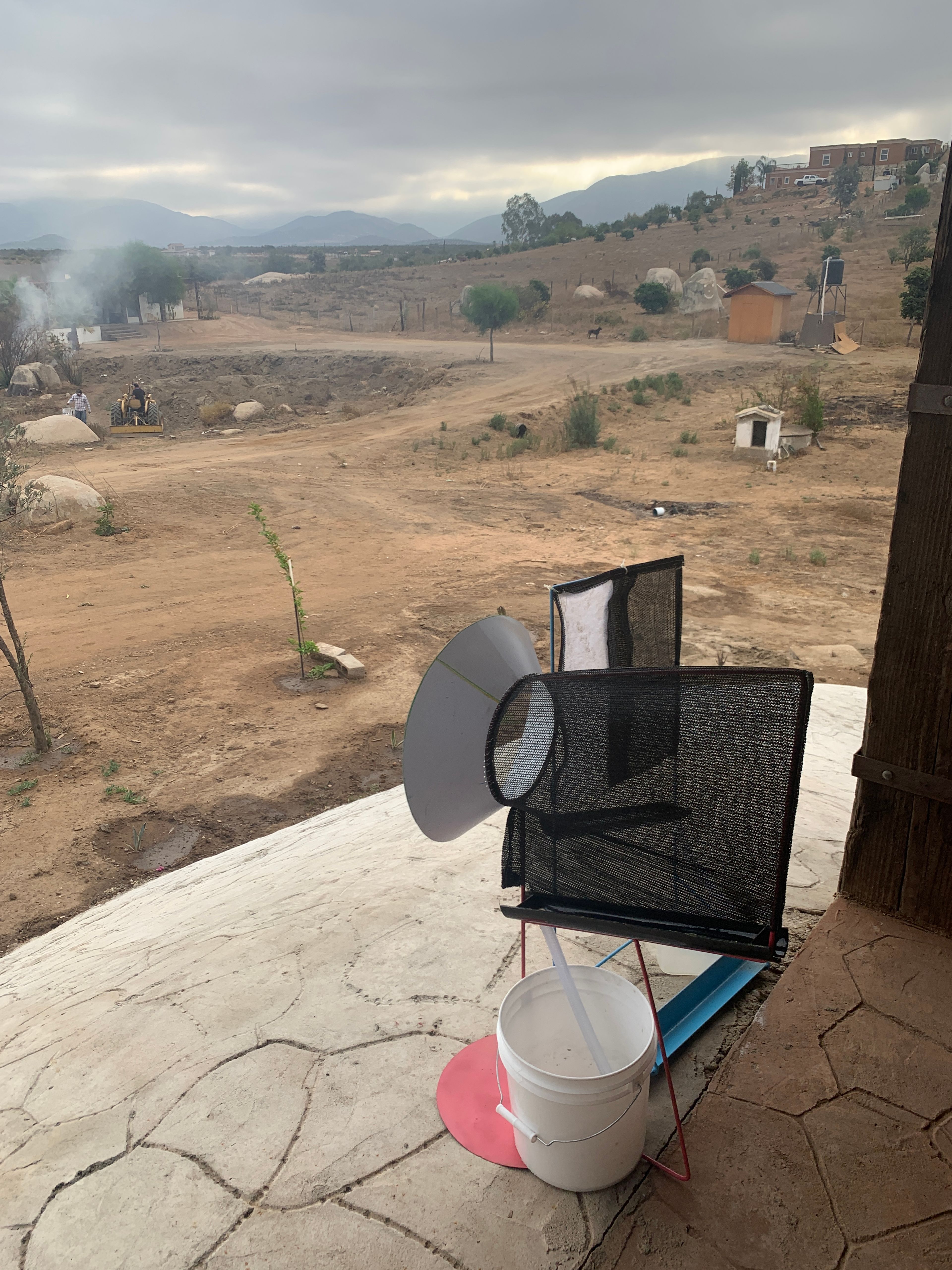



fog harvesting
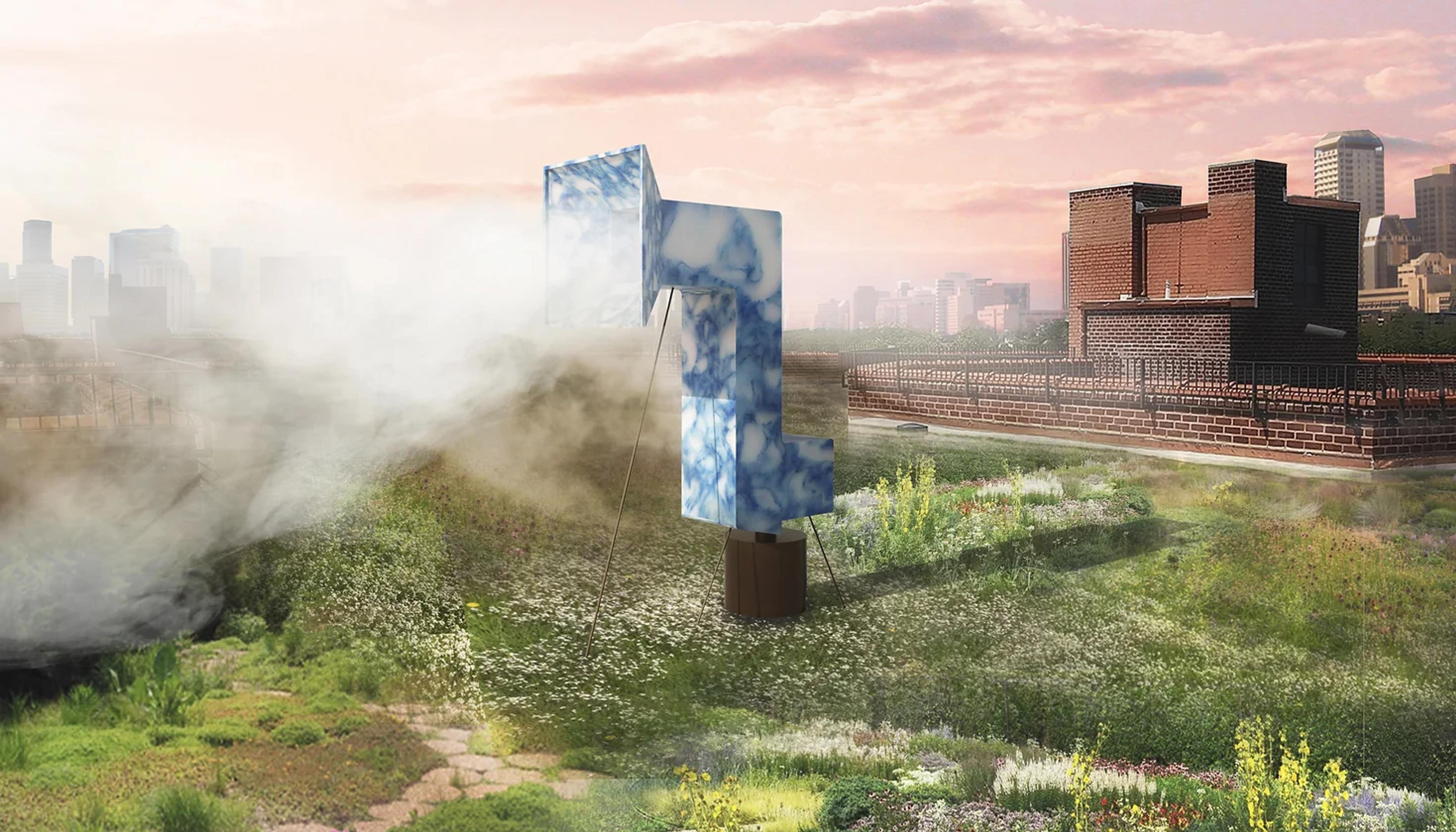
An ongoing research project on capturing fog water through sculptural and architectural structures made from recycled plastic and other vernacular materials. Quenching the thirst of Las Californias one drop at a time.
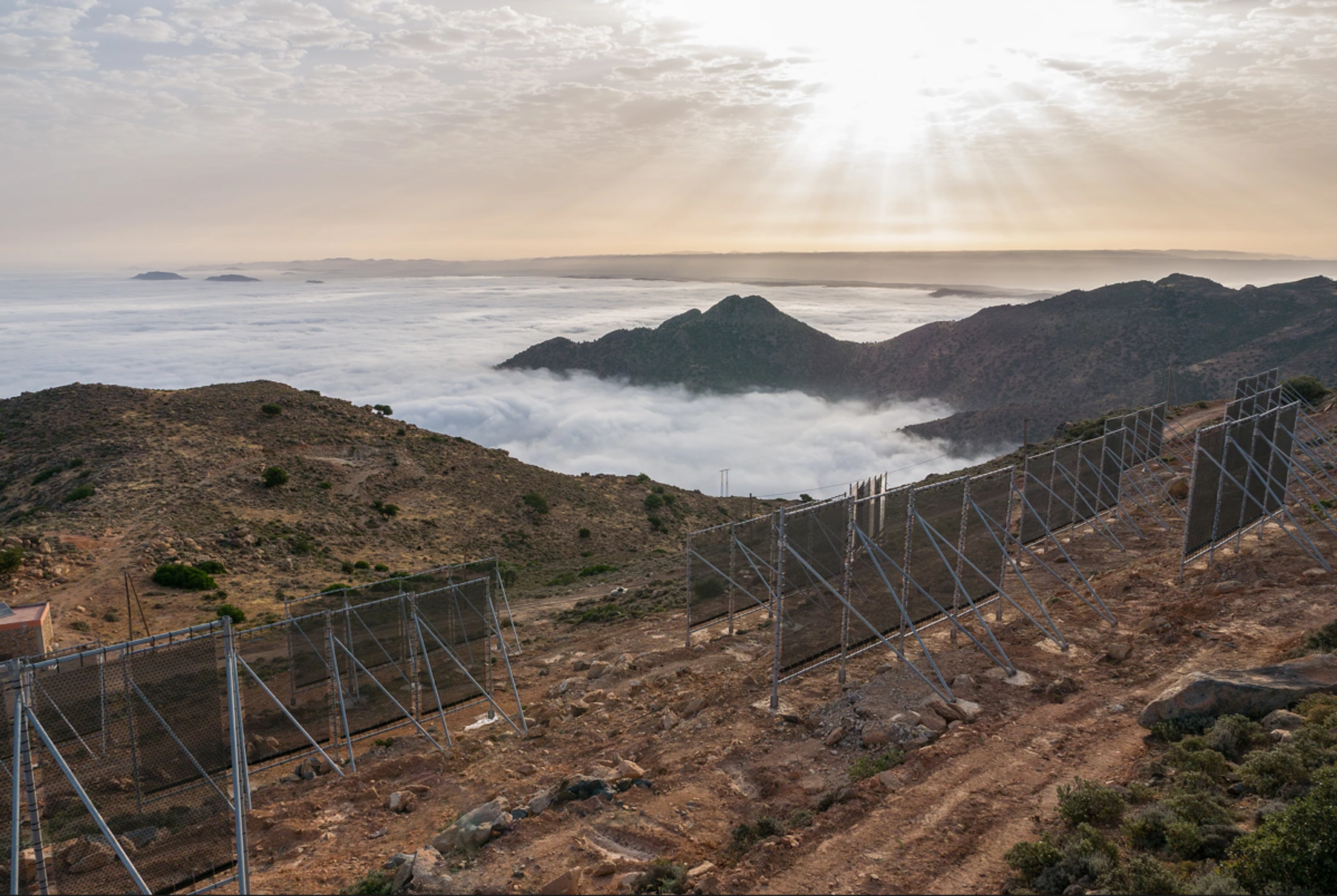
The coast of Las Californias gets some of the heaviest fog in the world. Ensenada in particular sits in a fog belt that rolls in off the Pacific most mornings, carrying enough water to be worth capturing. Fog harvesting is the act of turning that water into something a city can use. The technology is simple: a surface for droplets to condense on, and a place for them to go. It is also proven. The largest passive fog farm in the world, in Morocco, collects an average of 36,828 liters a day from 1,590 square meters of mesh.
The technology works. The barrier is cultural. Most fog harvesting infrastructure looks like infrastructure — utilitarian mesh frames that no community wants in its plaza. Without aesthetic adaptation, the technology stays niche, and the water stays in the clouds.
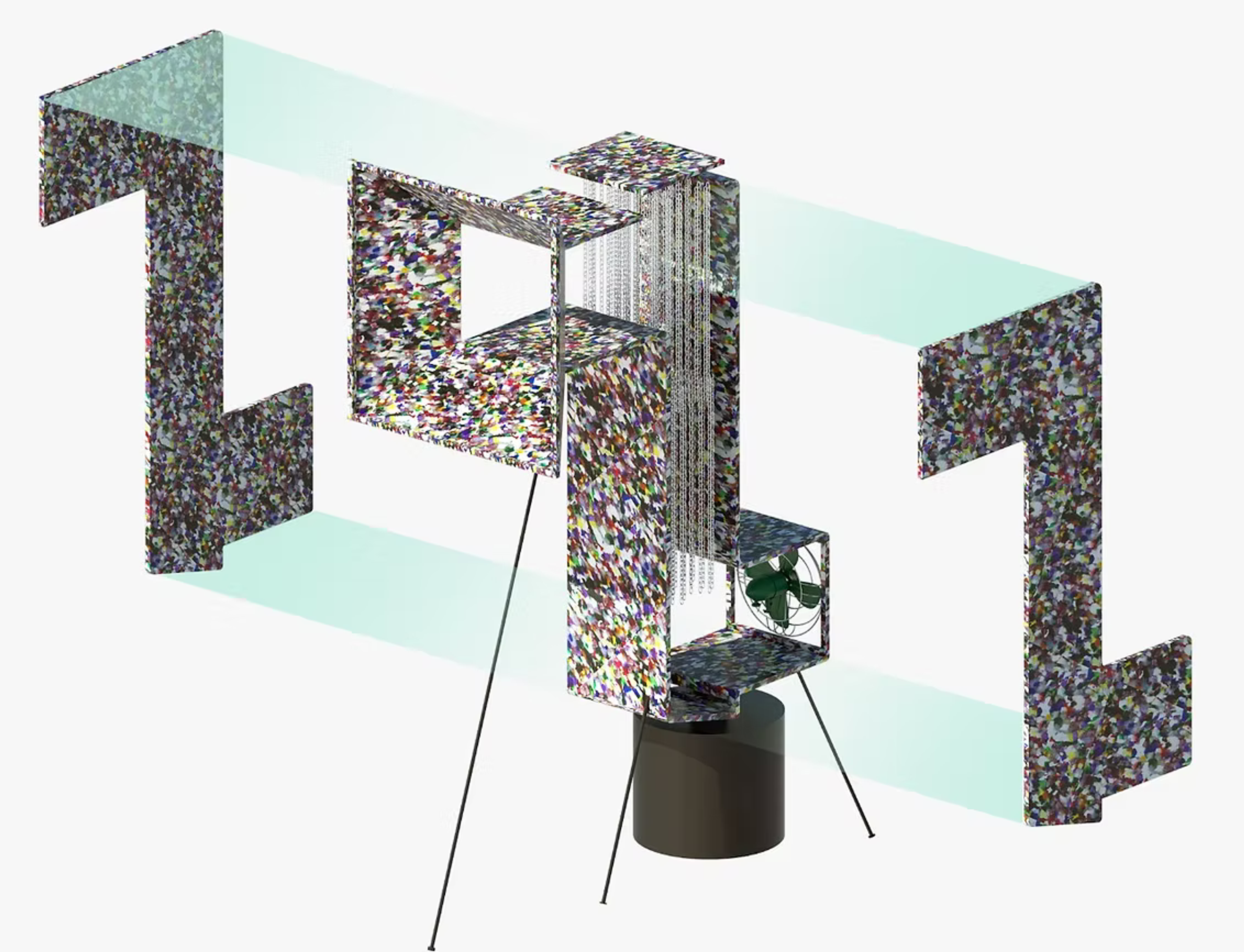
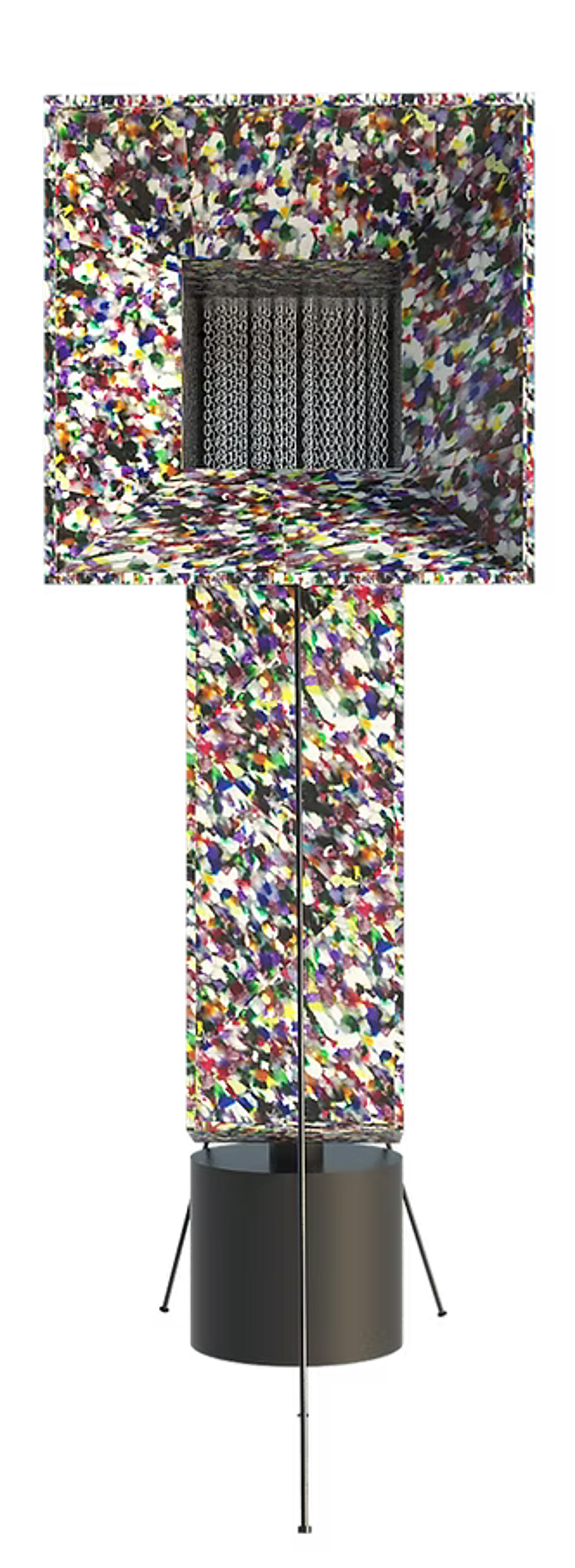
This project is an attempt to change that. The studio is developing fog-capturing structures from upcycled HDPE, PP, and PET plastic — collected from canals and parks in Tijuana — designed across scales, from sculptural objects to architectural systems. The cleanup of the waste streams and the production of the water happen at the same time.
where it is
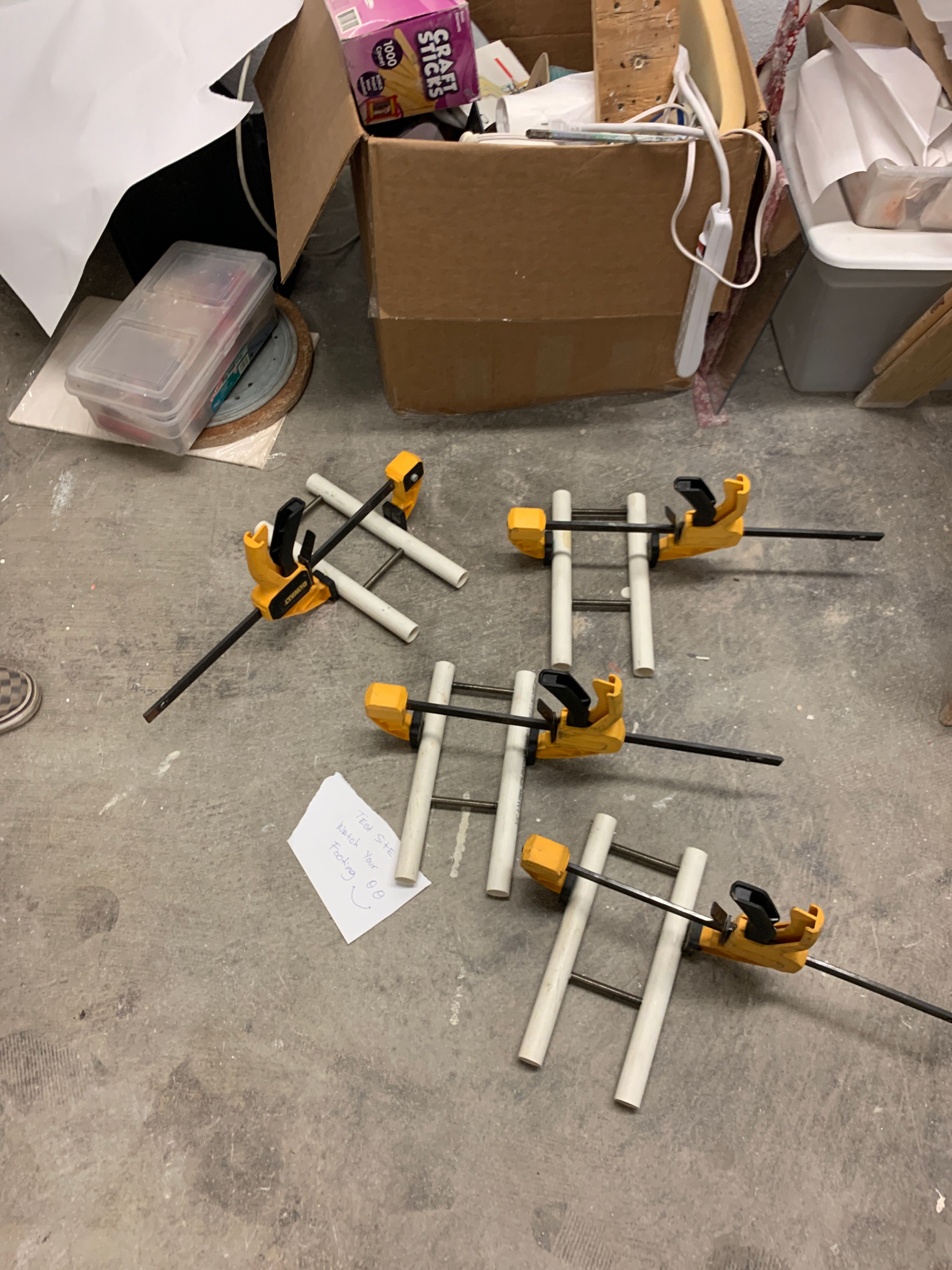
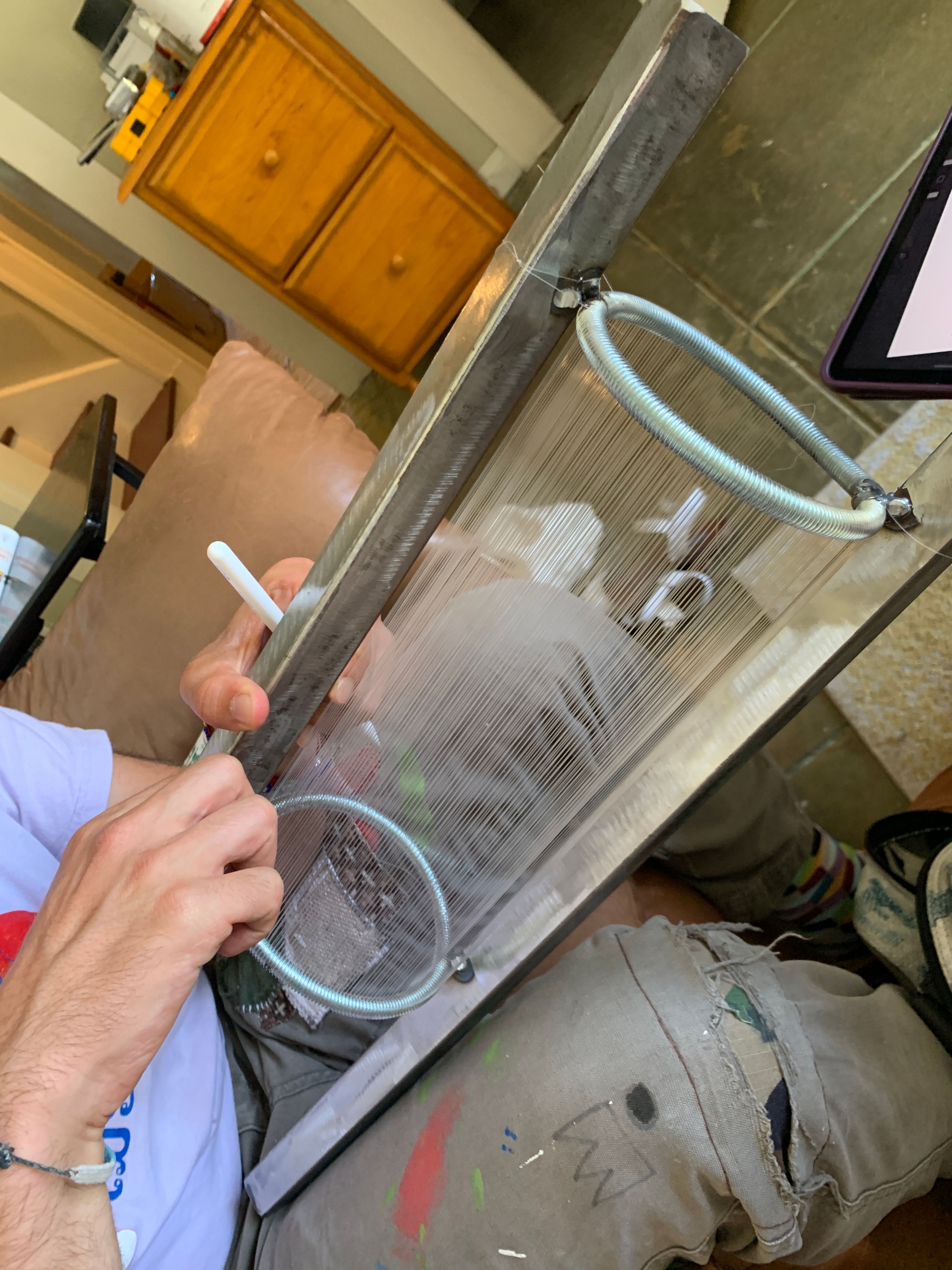
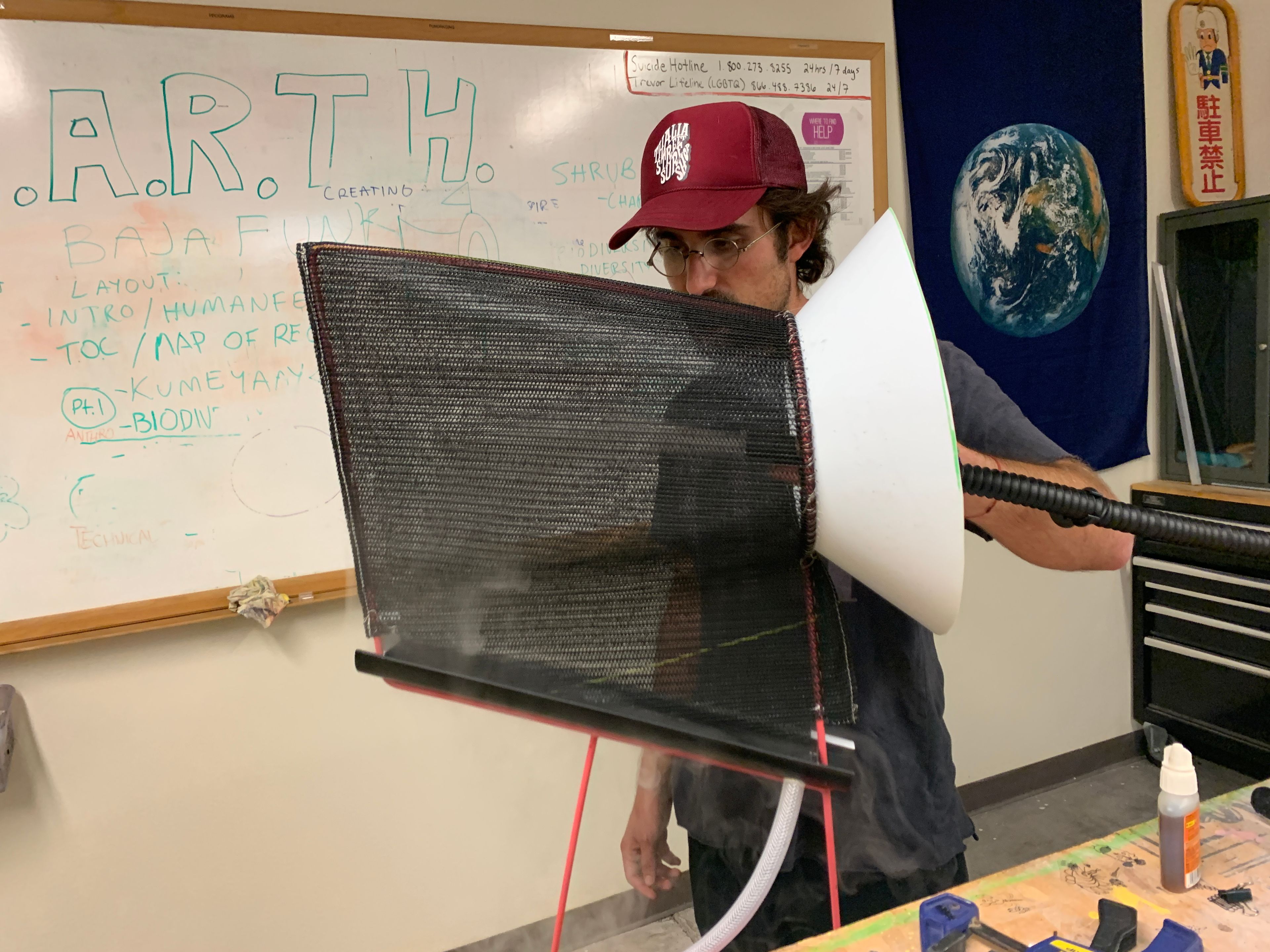
A handful of prototypes and sculptures have been built. The studio has also been exploring local biomaterials, including seaweed, for insulation and secondary surfaces — part of a wider material vocabulary developed across the work in Las Californias.
The research is ongoing.