


tijuana center for soil
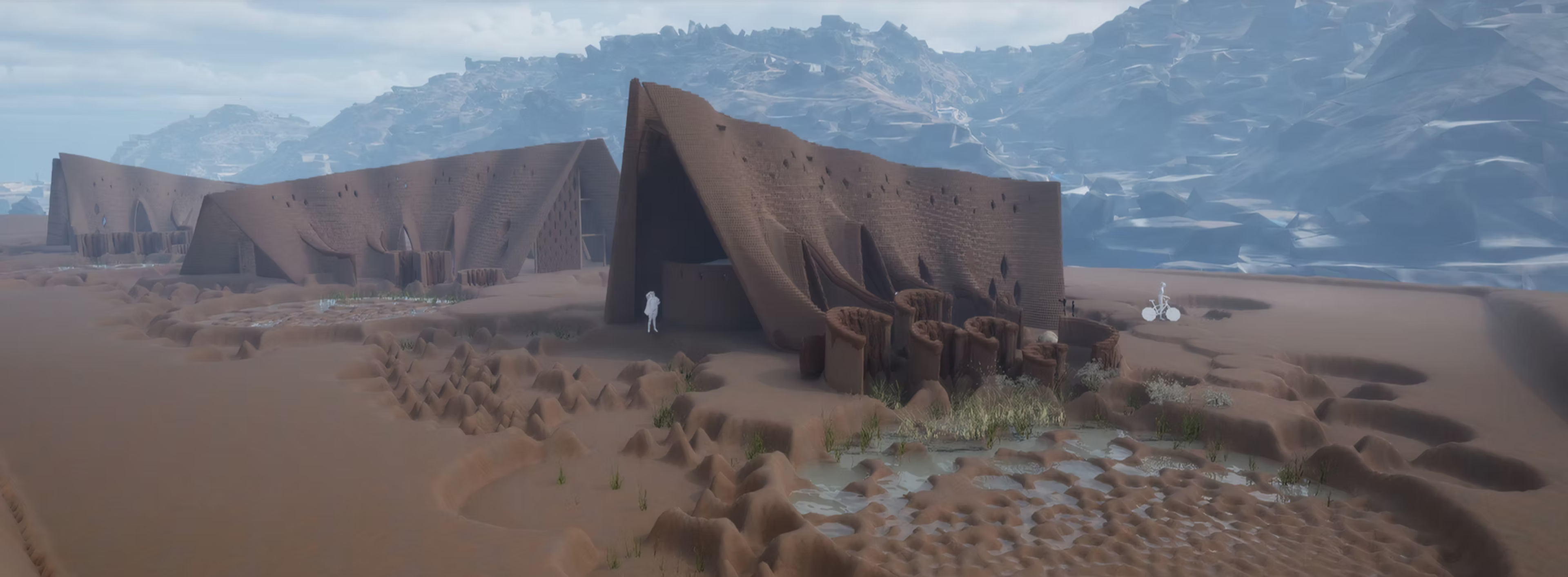
A community center for Los Laureles, Tijuana, built from earth that regenerates itself. Thesis project at UCL Bartlett (M.Arch Bio-Integrated Design), with Laetitia Morlier and Kenneth Wilson.
The site is a contaminated, government-owned dirt junkyard in Los Laureles, an informal neighborhood pressed against the U.S. border in Tijuana. One of the last junkyards of the Global South, depending on which direction you read the border from. Historically it held the southern reach of the Tijuana River Estuary, but a century of unregulated and regulated development has destroyed or contaminated most of those ecosystems on the Mexican side. What remains of the estuary lives now mostly on the U.S. side. The people of Los Laureles live next to a landscape they no longer have access to.
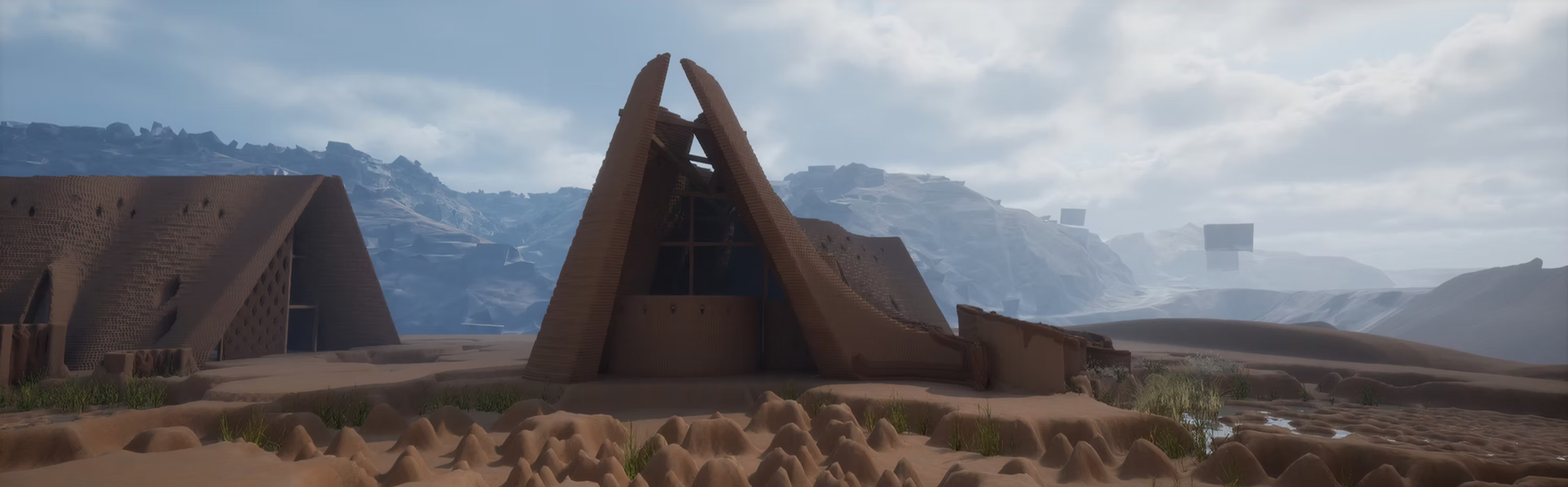
Tijuana is unusual ground for this kind of work. Anthropologically, it's a border city where the Global North and Global South meet — the same plot of land is developed in completely different ways depending on which country gets to it. Ecologically, it sits at the southern edge of the California Floral Province, a region that hosts a high degree of biodiversity and some species that are genuinely rare. The recency of the urban development means the before-and-after data is still legible. The history of what the land was hasn't been buried yet.
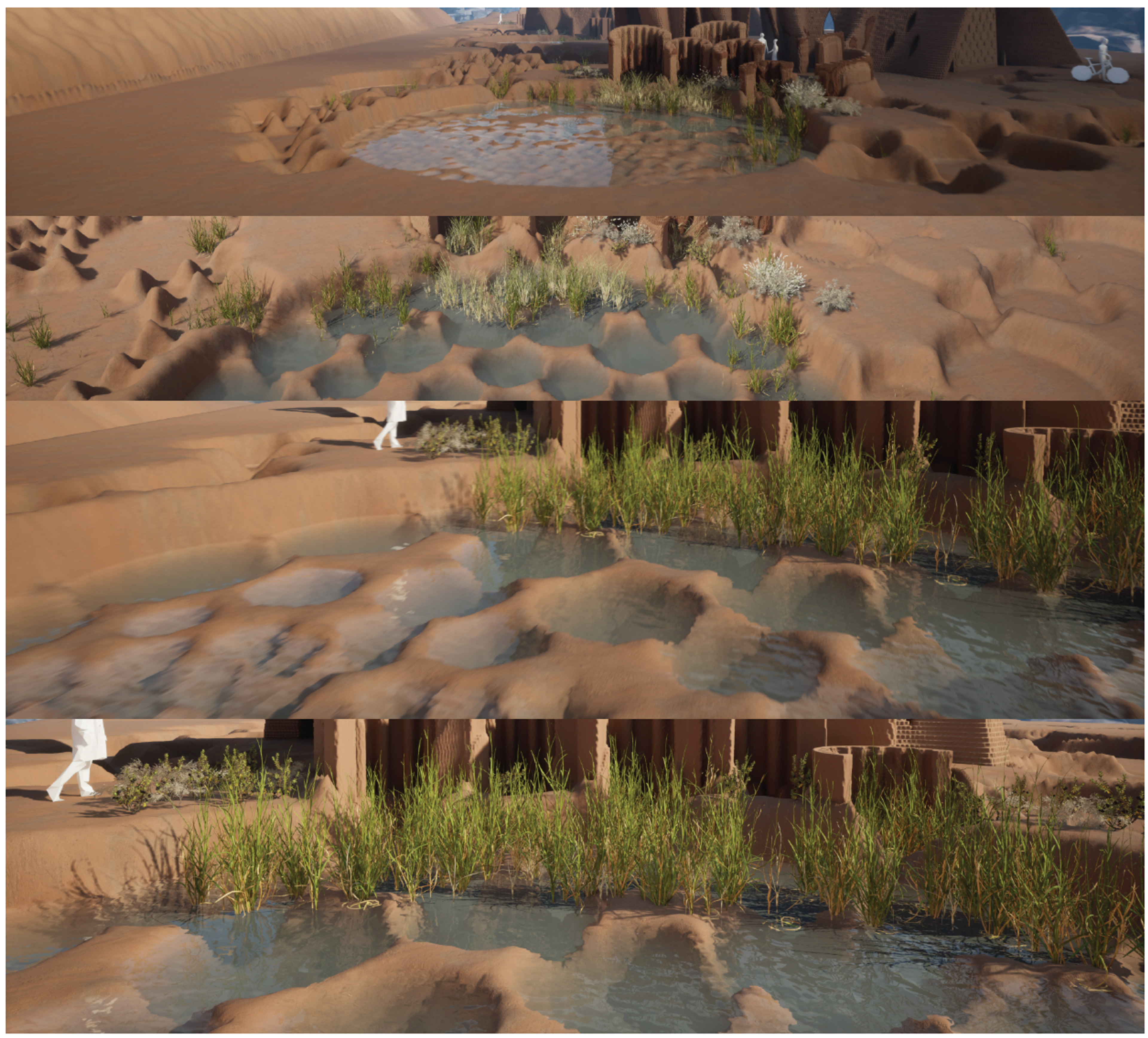
The project responds at three scales: the building itself, the water management and thermal control across the site, and the long-term restoration of the surrounding ecosystem.
two materials, two timescales
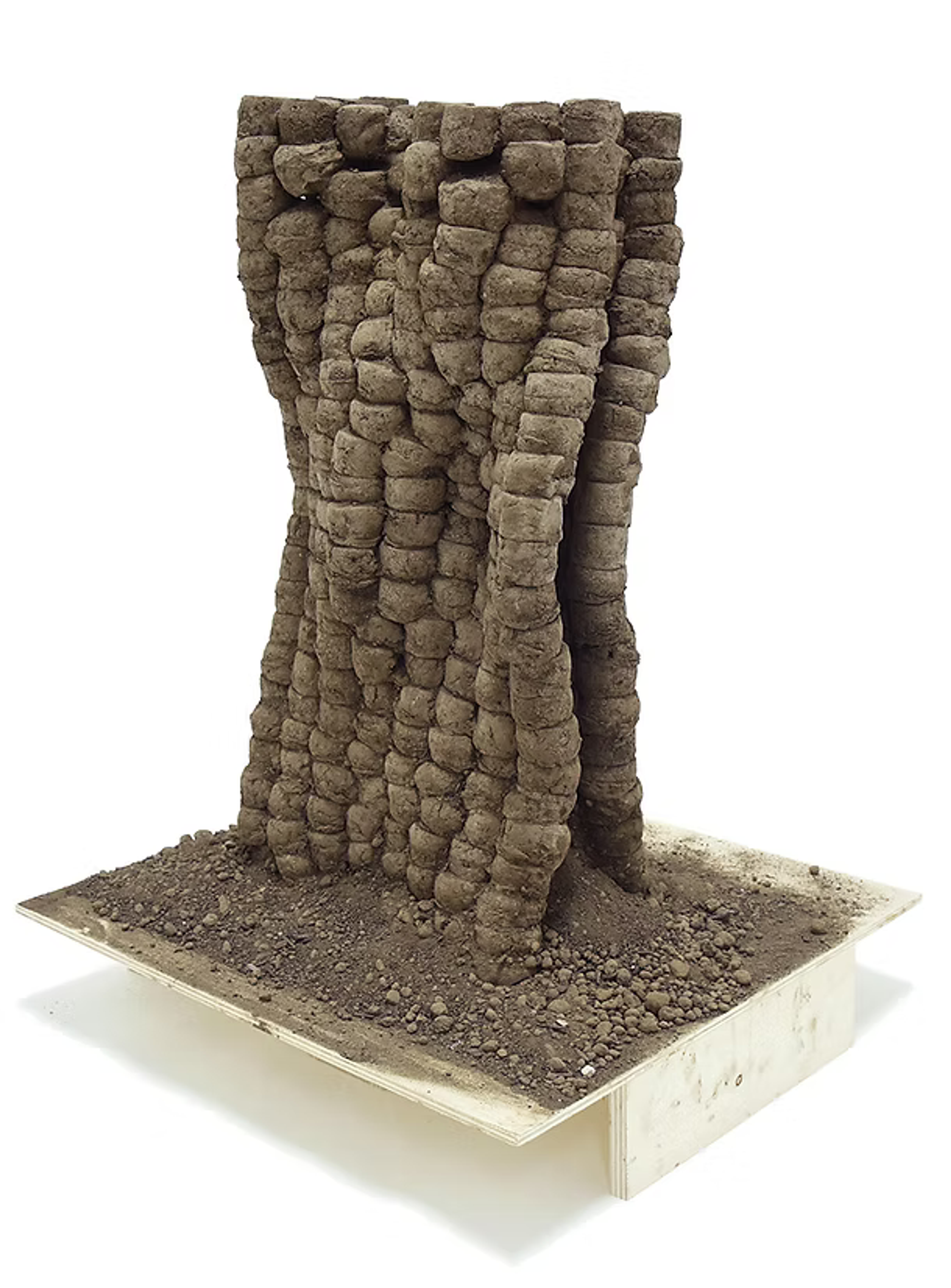
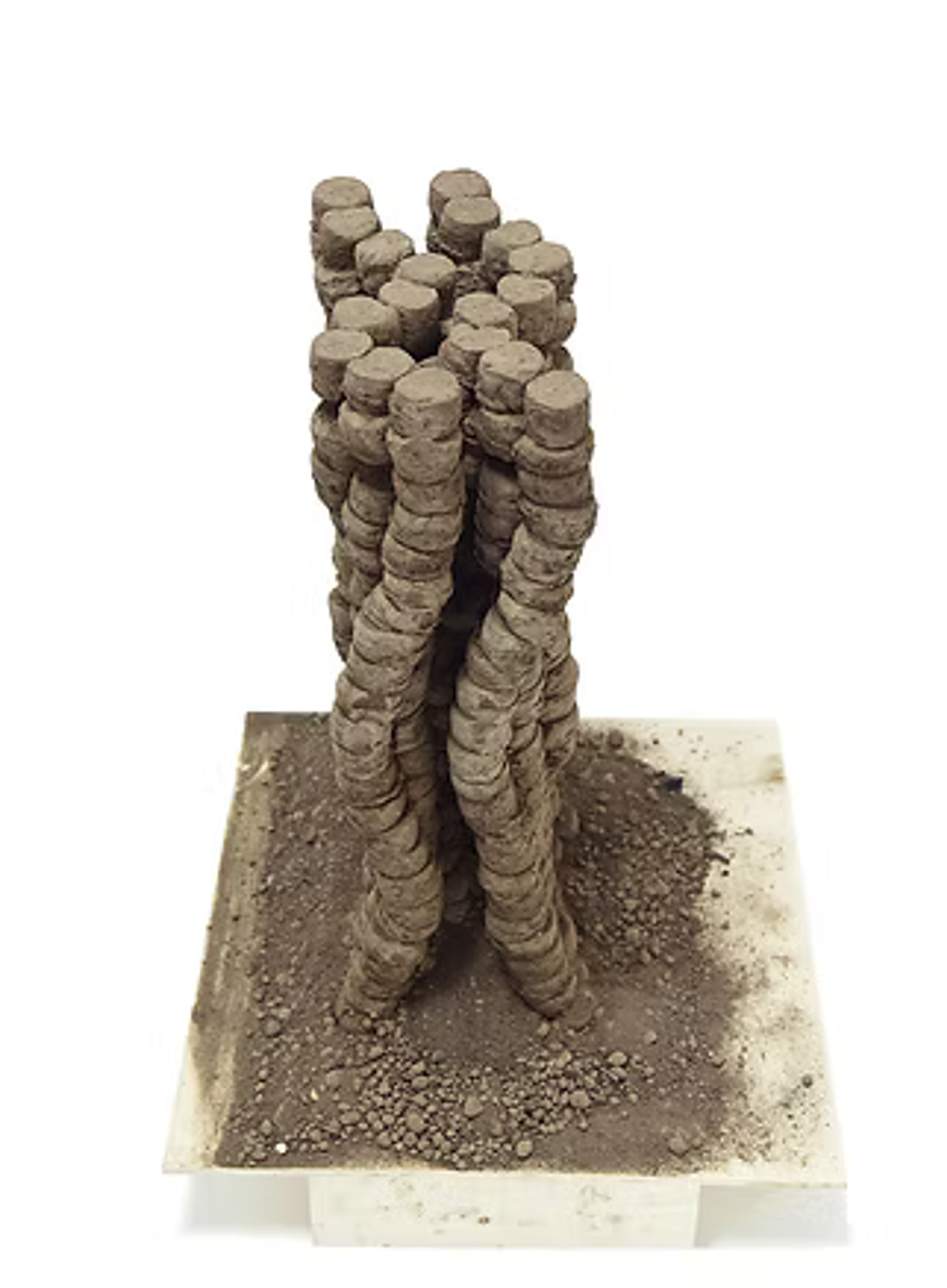
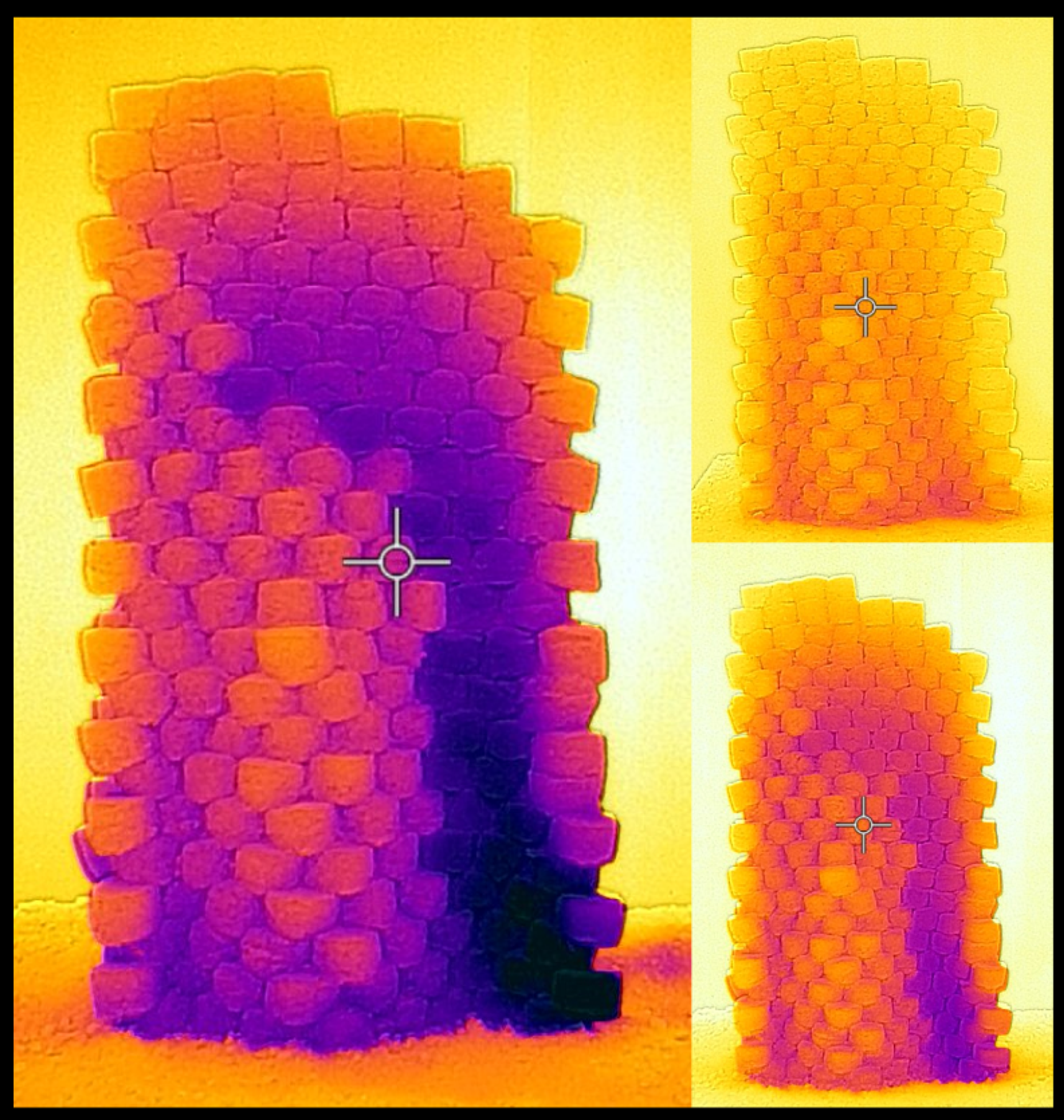
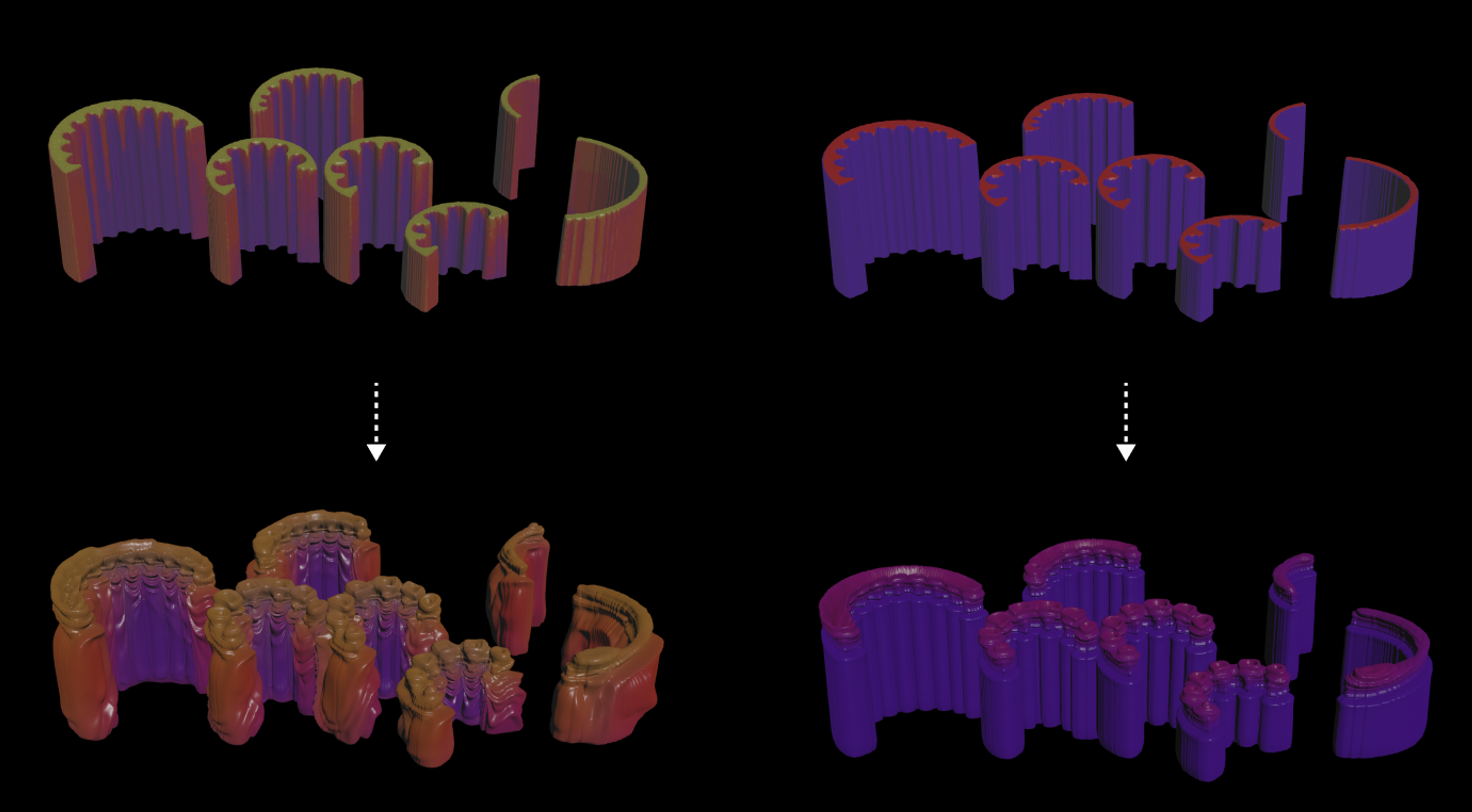
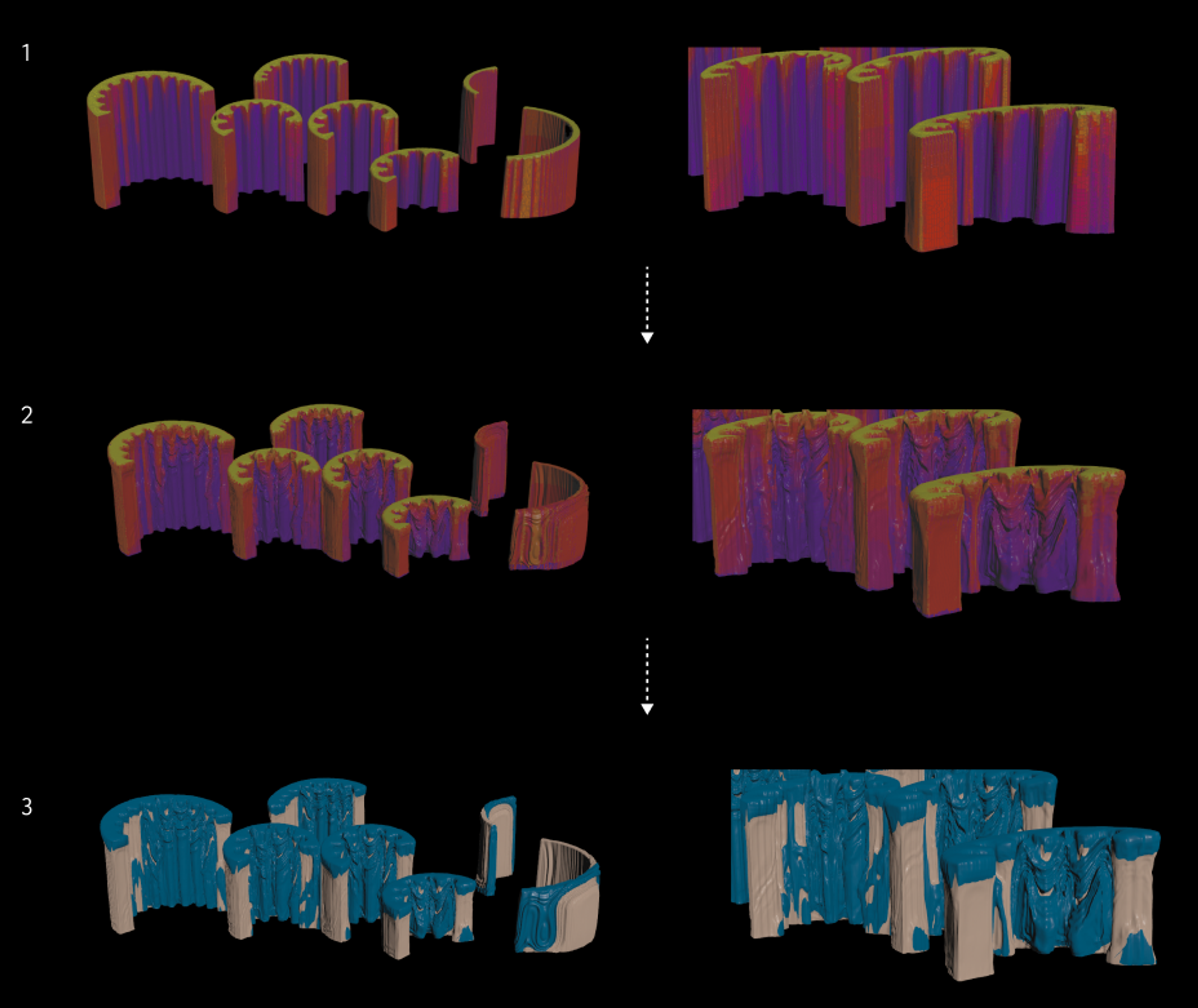
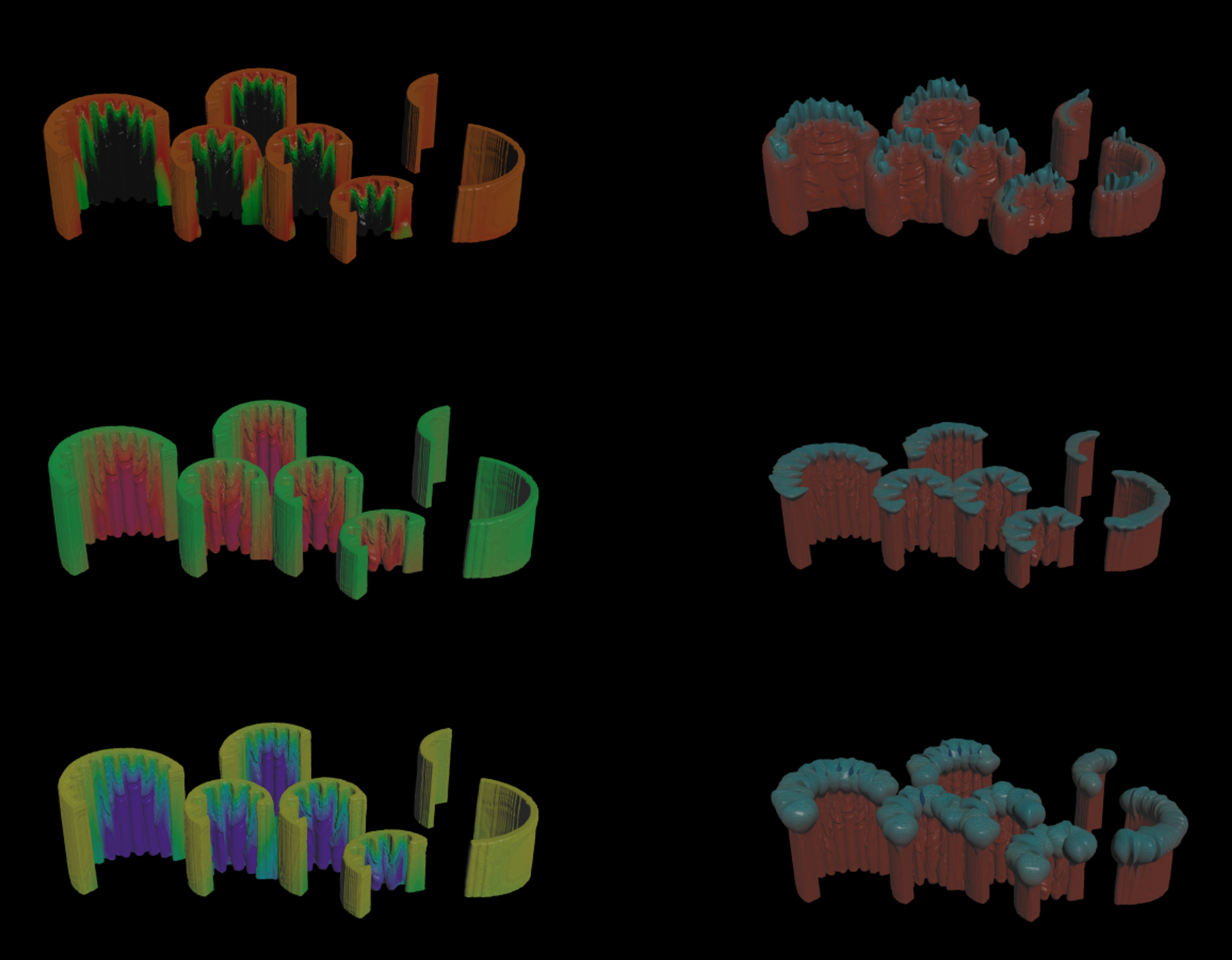
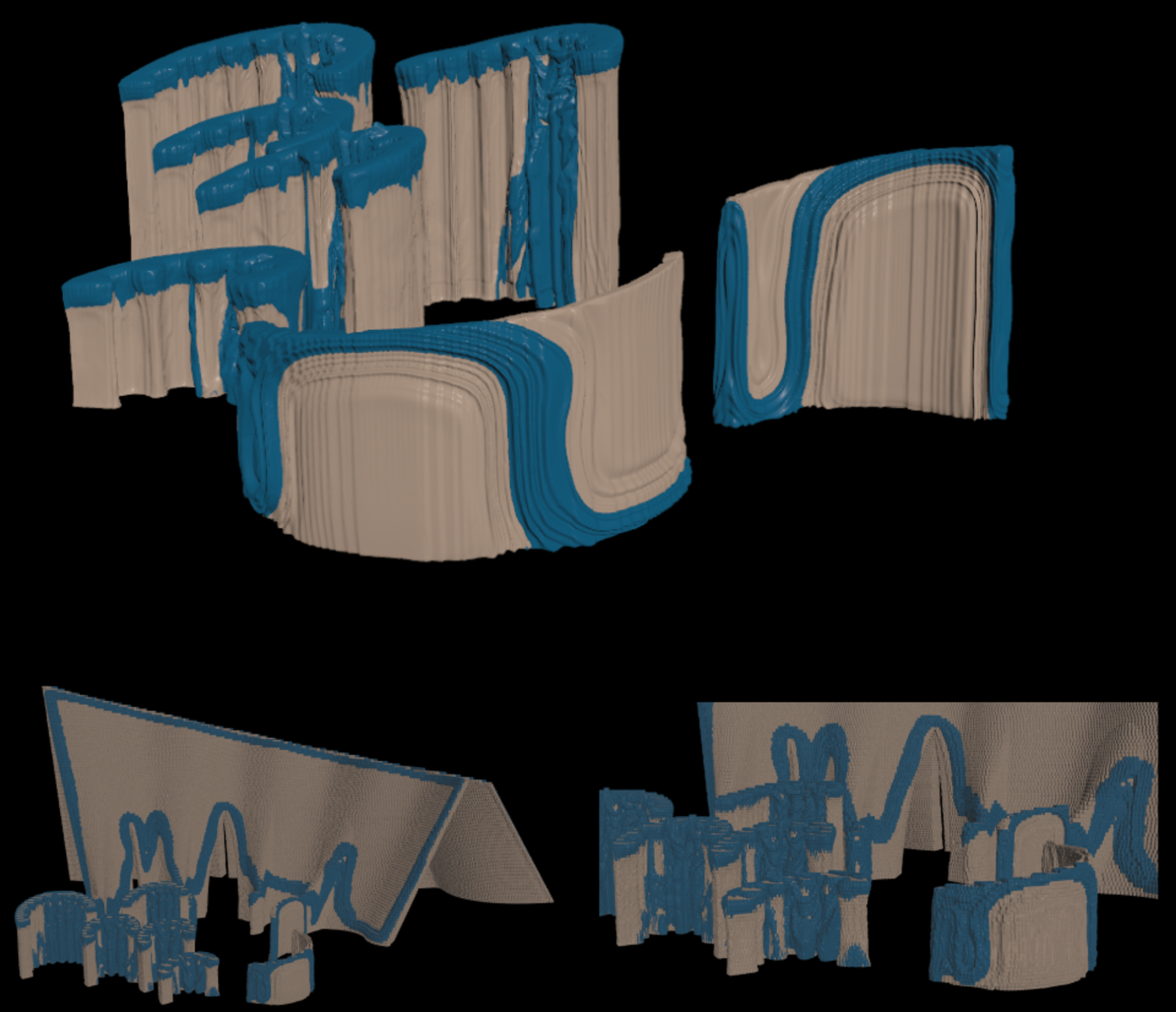
The structures are made from two soil-based materials, impact-printed into modular blocks. The first is structural — derived from local soils, dense, sun-tolerant, designed to hold form. The second is embedded with native plant growth-promoting bacteria and designed to erode. As it weathers, it releases bacteria into the surrounding ground, feeding the soil and accelerating plant growth.
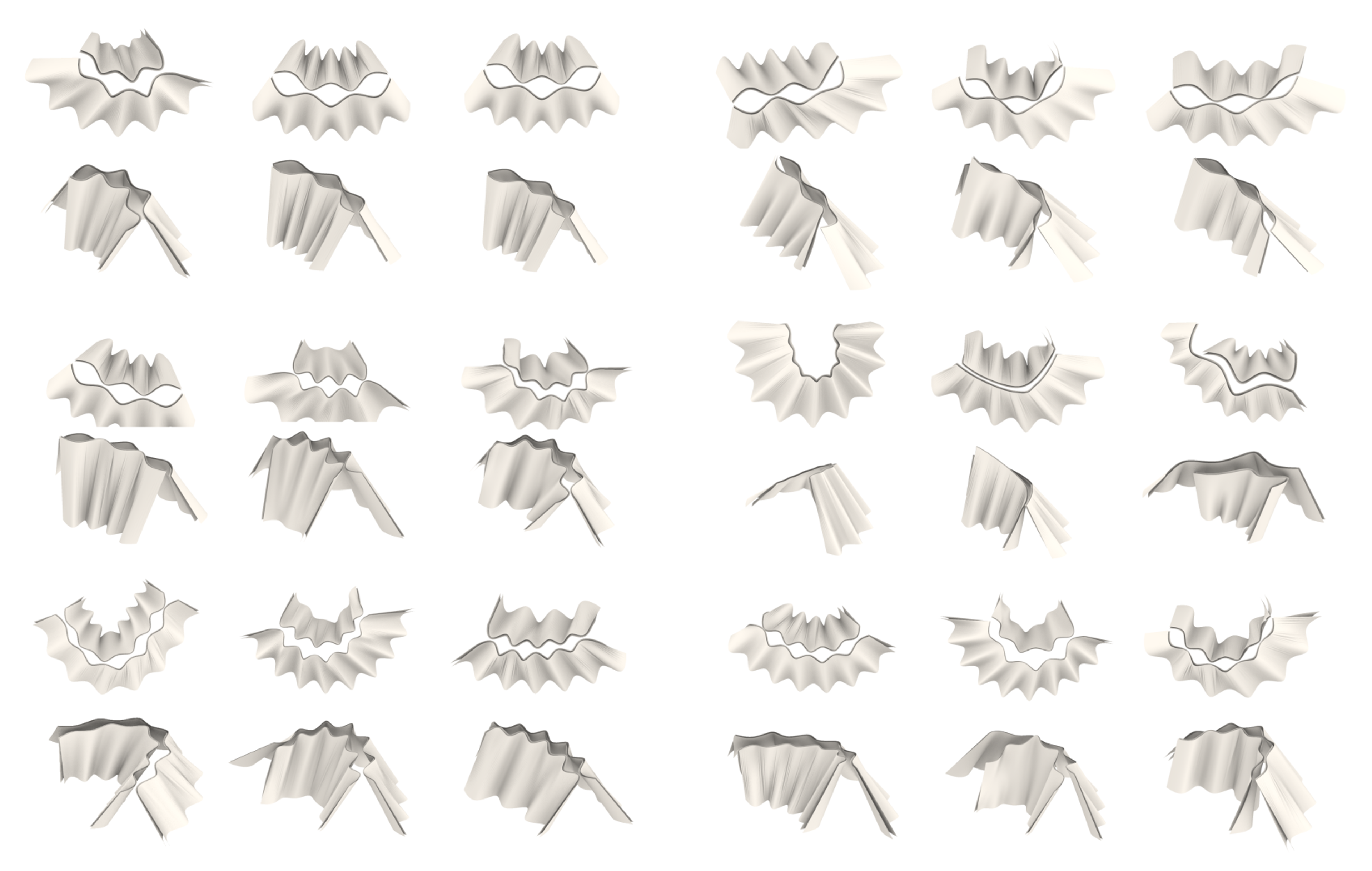
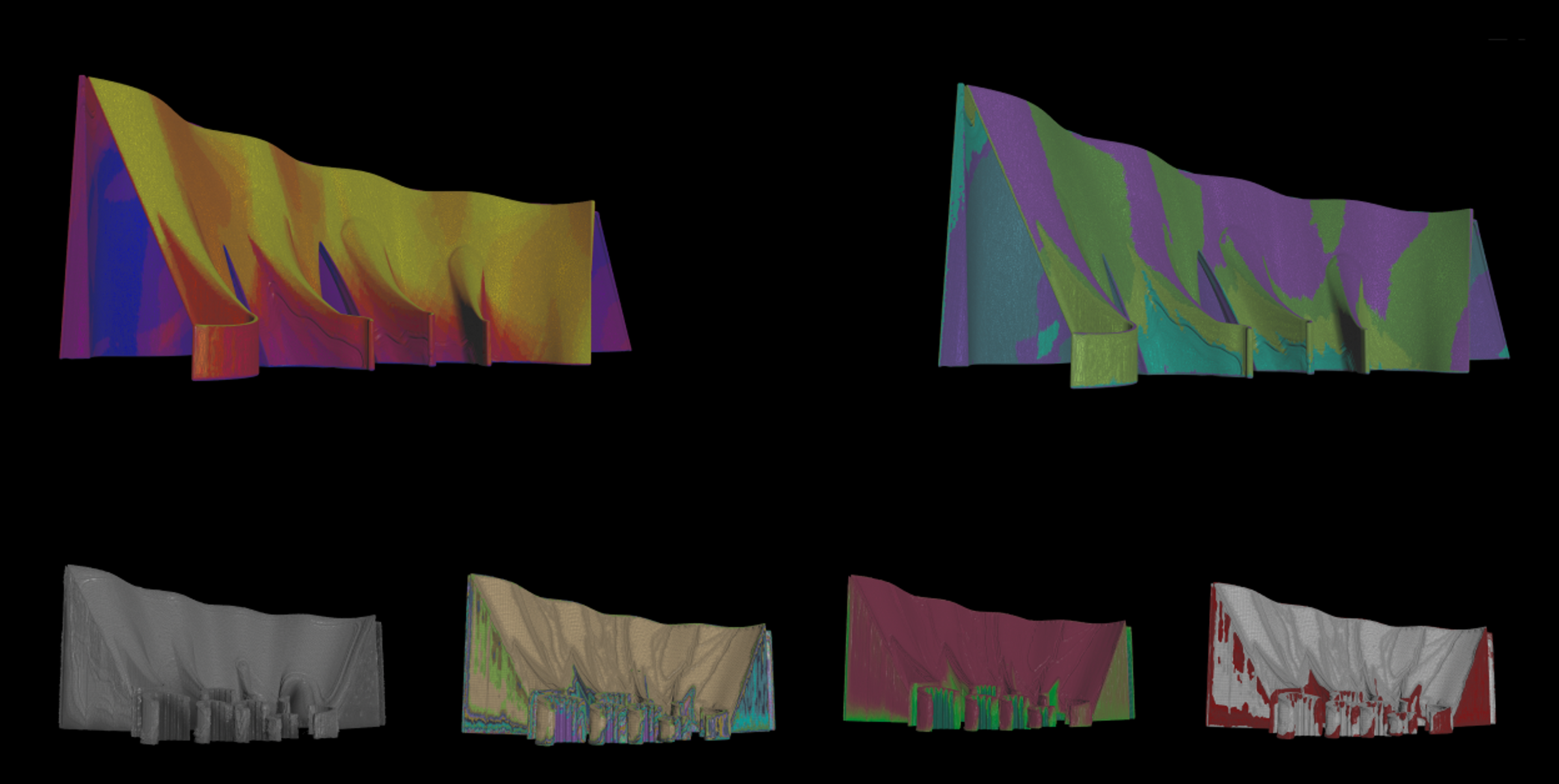
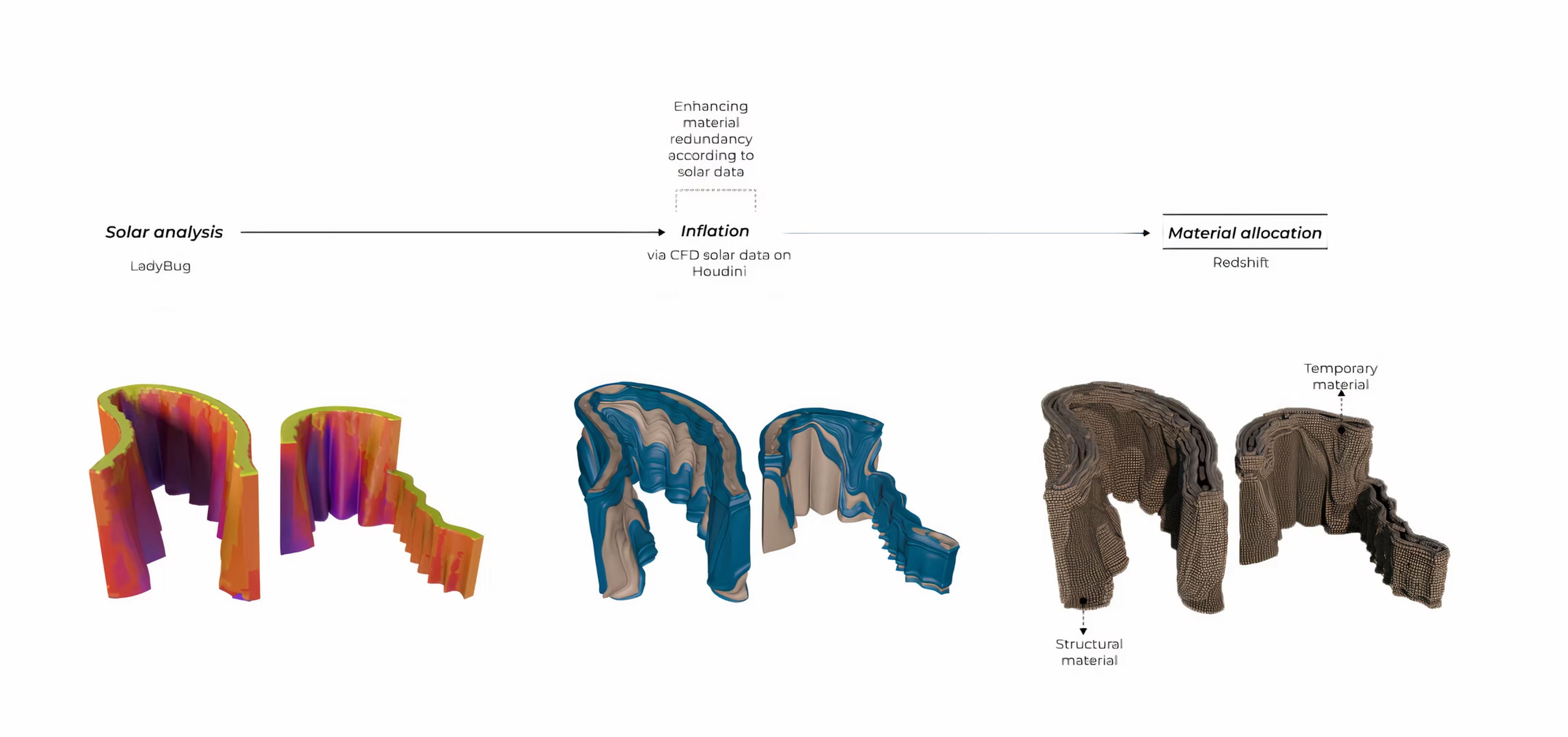
The two materials are allocated by microclimate. The structural mix is placed where it stays dry and exposed — sunny faces, the building's load-bearing geometry. The eroding, bacterial mix is placed in shaded, moist niches where weathering happens fastest. Mass, geometry, and material distribution all shift from one part of the site to another, tuned to where the building should hold and where it should fall apart.
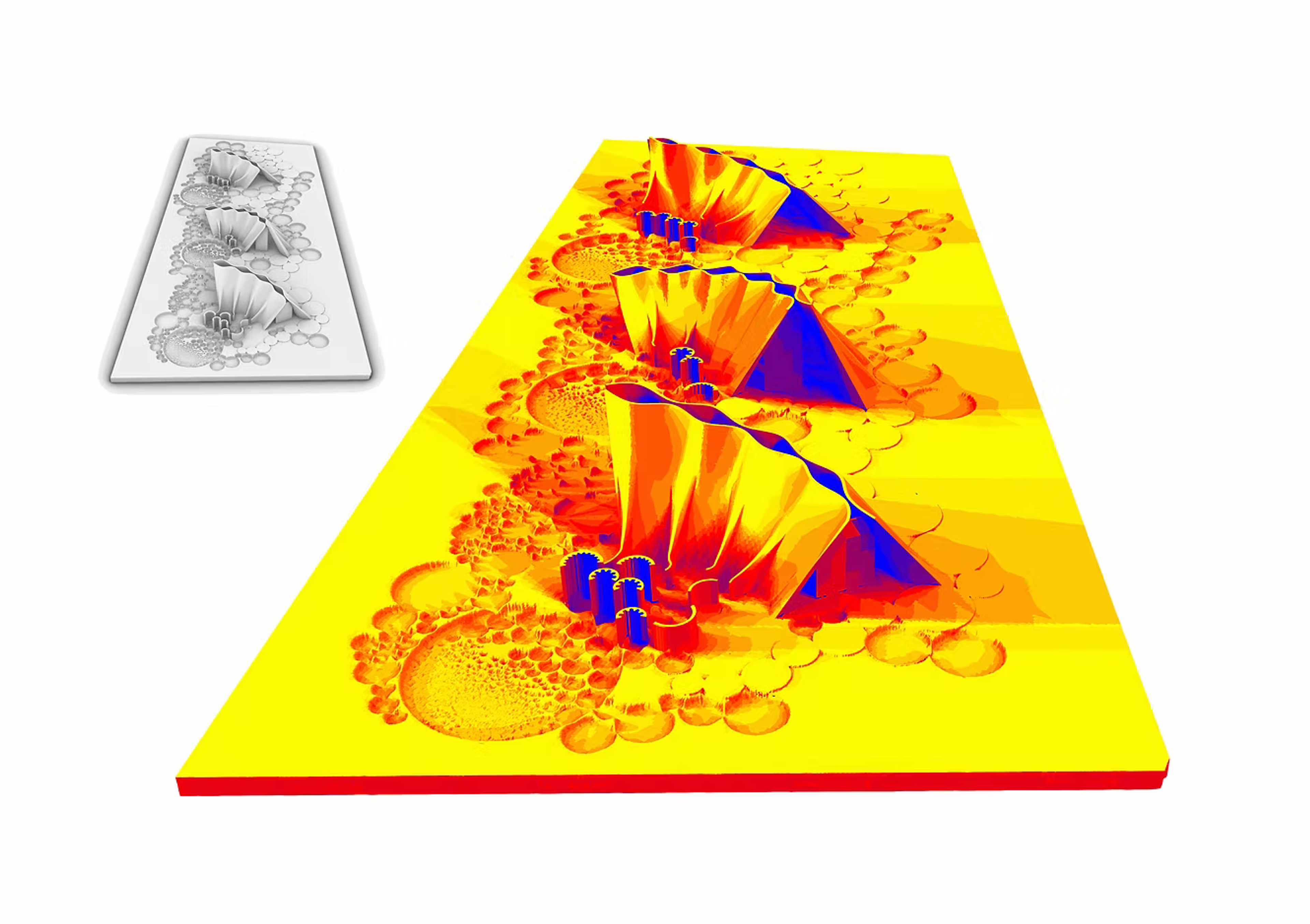
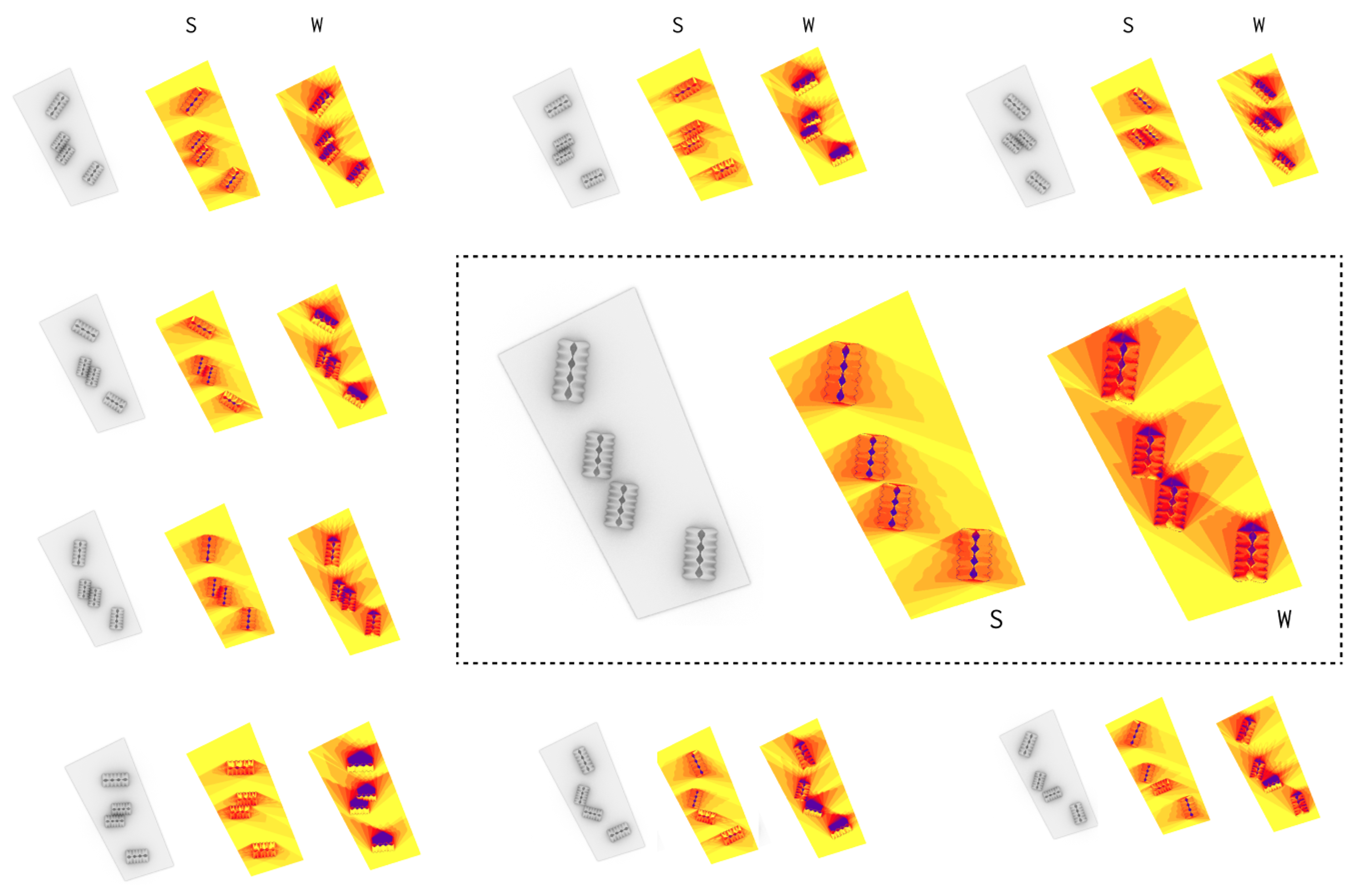
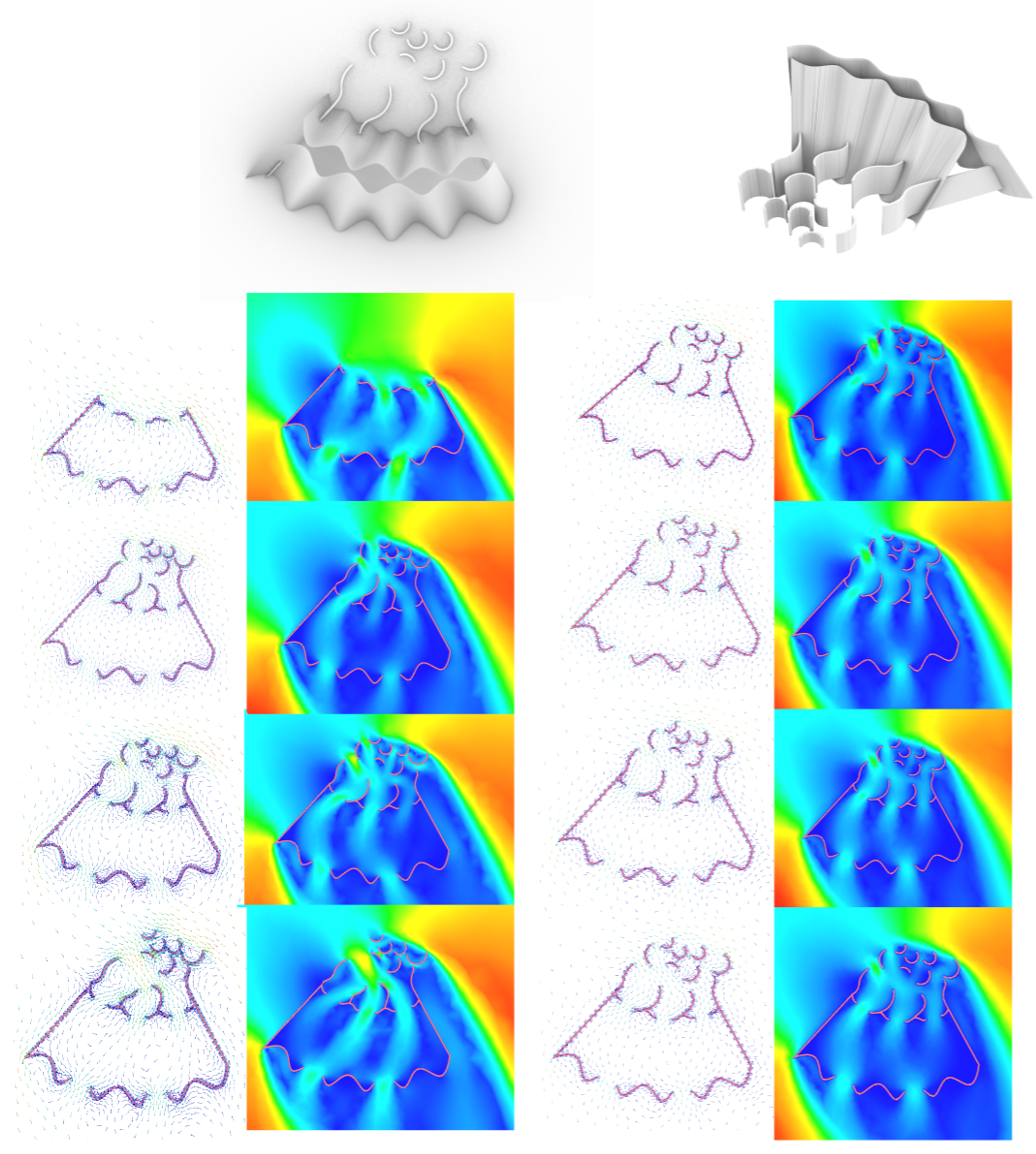
Water management and thermal control then inform the next scale up: where the buildings sit, how they orient, where bodies of water go. The whole site is composed as a system that channels moisture toward the parts of the architecture that need to break down, and away from the parts that need to last.
giving the land back
Over time, the form of the center changes. Some parts soften, open, release their material into the ground. The soil around the building gets richer. Native plants take hold. What was abandoned land becomes usable land again — for plants, for animals, for people who haven't had access to the estuary that used to be theirs.
The building is designed to come apart so the place around it can recover. The point isn't the architecture. The point is what the architecture makes possible after it's gone.