


seaweed light sculptures
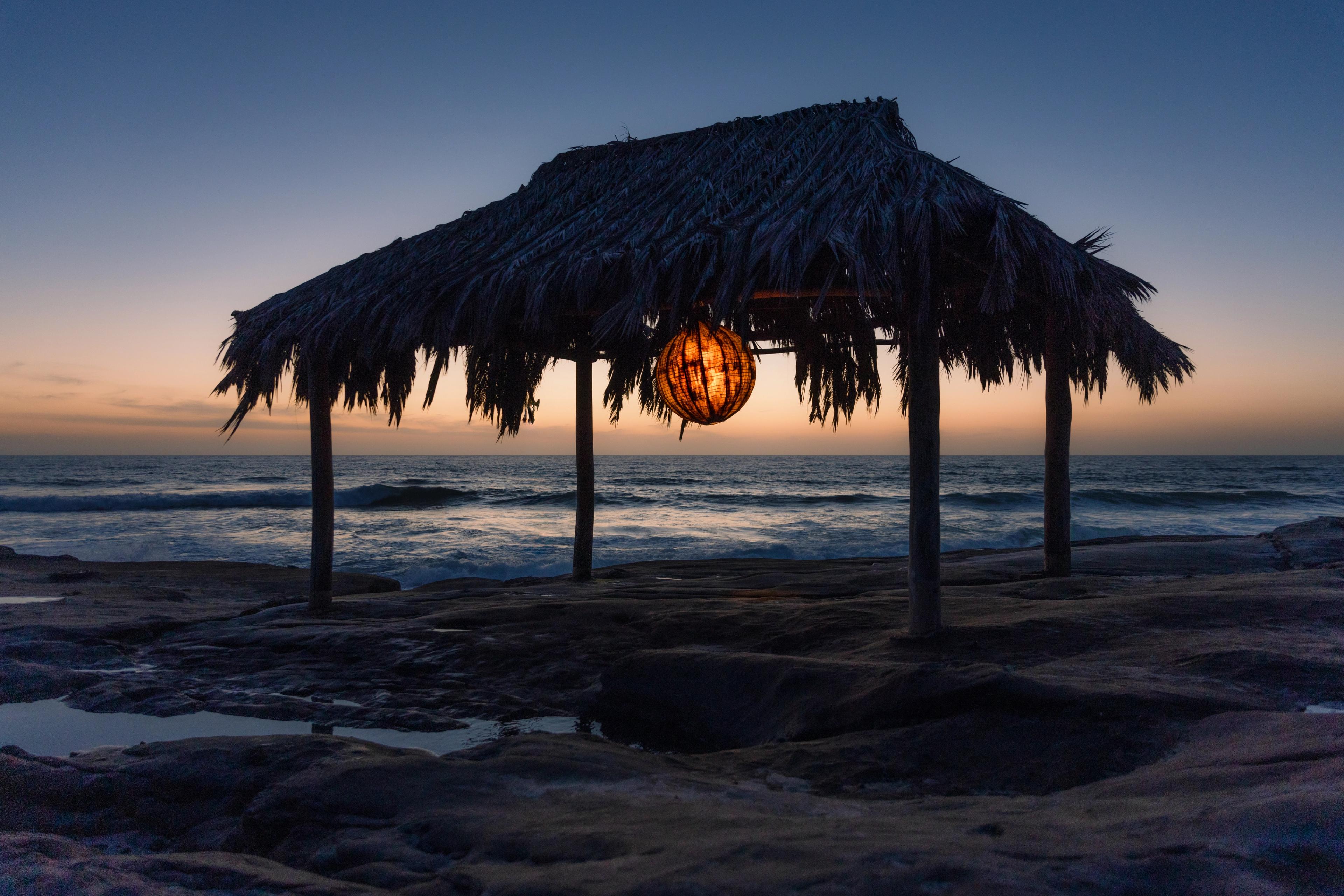
An ongoing series of light sculptures made from giant kelp, developed through Casa Tamarindo's research into seaweed as a novel biomaterial.
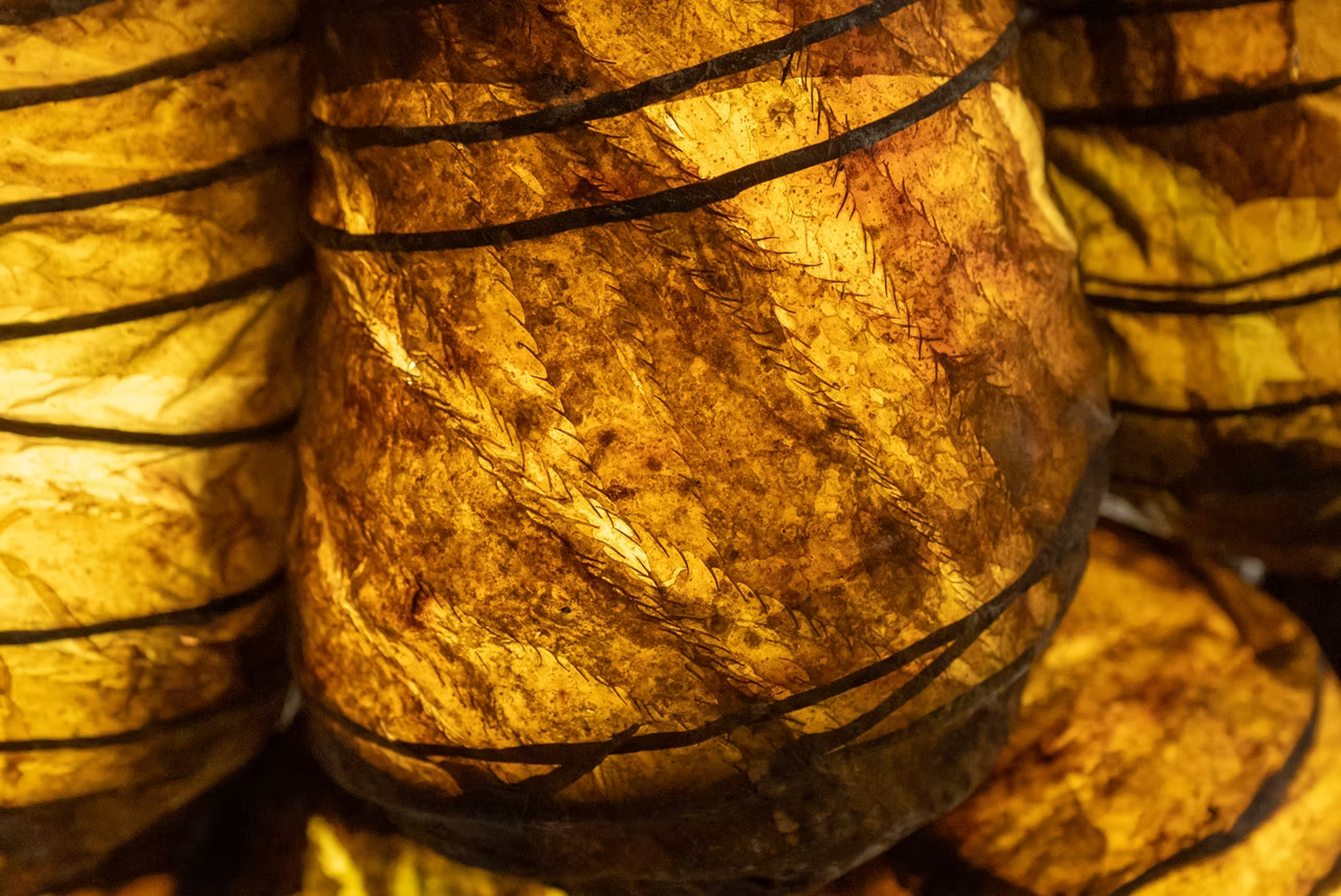
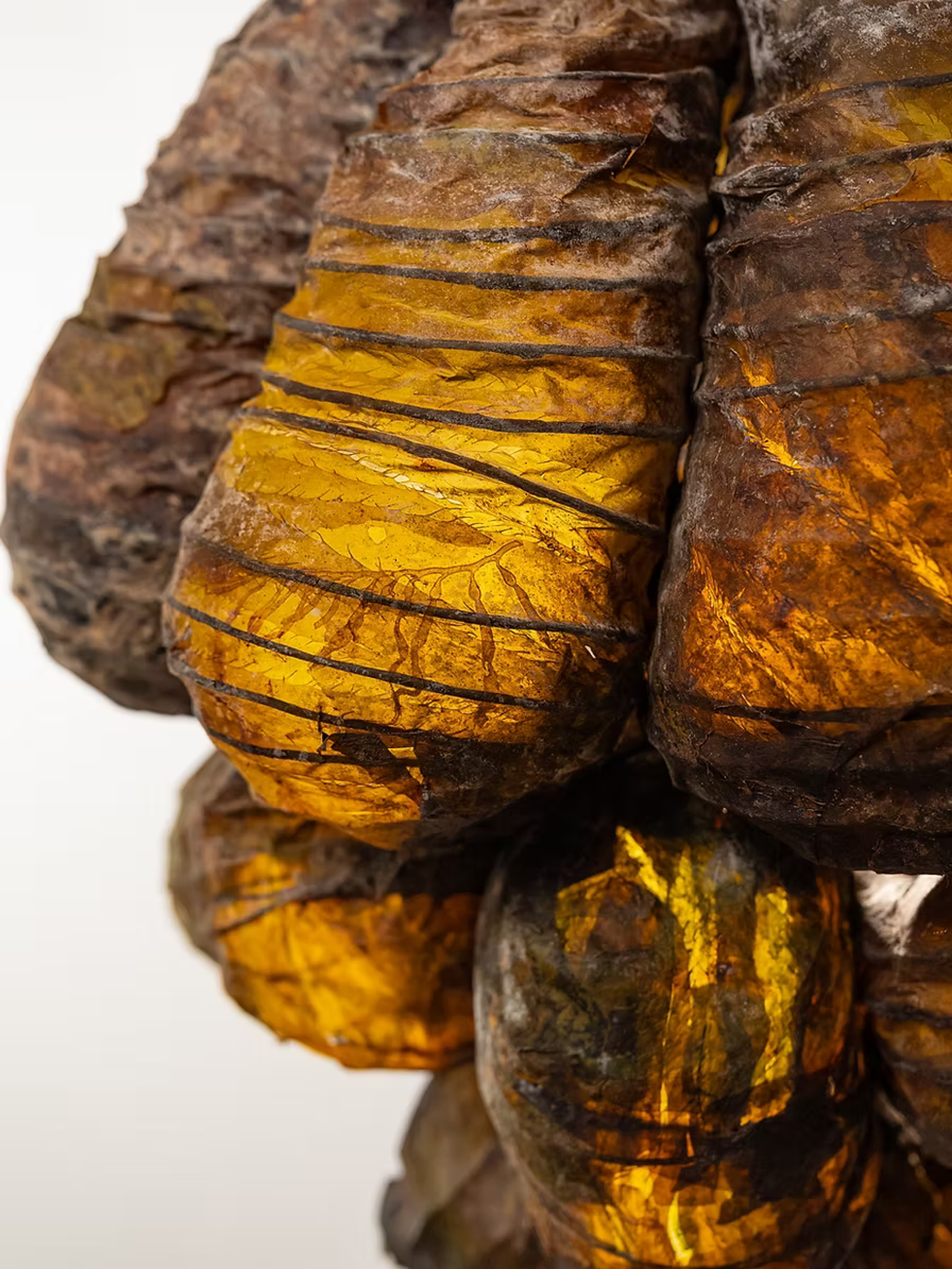
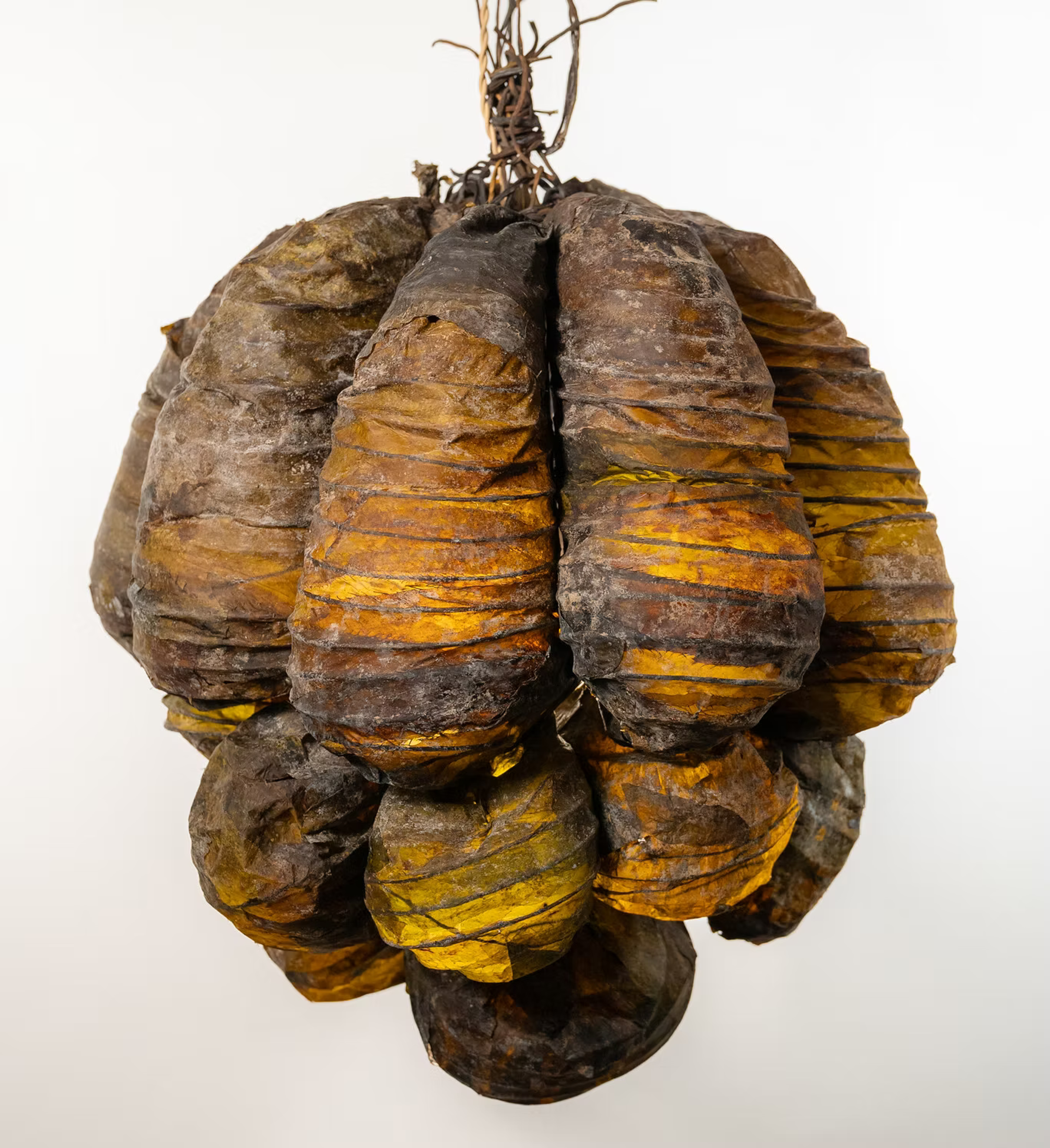
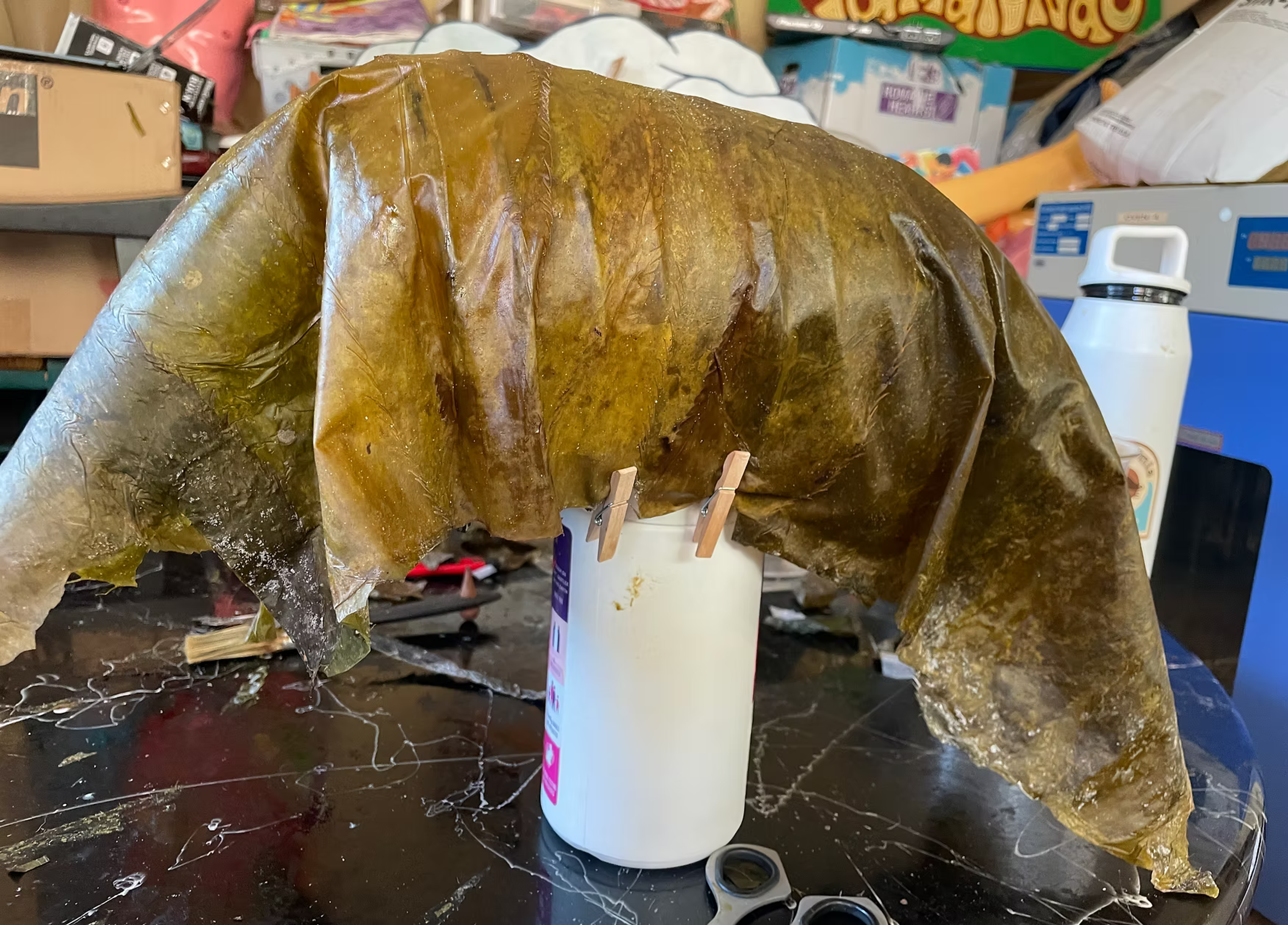
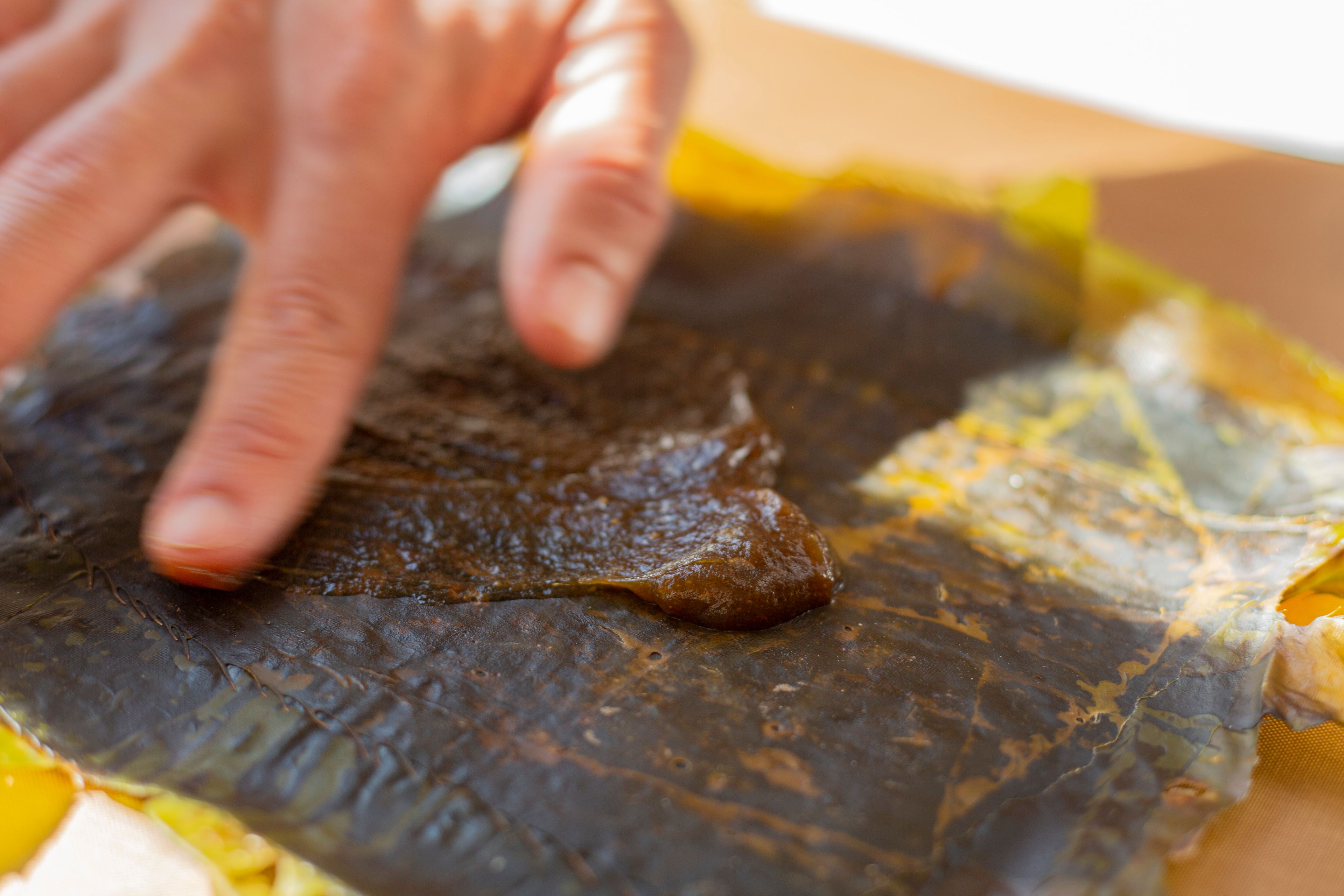
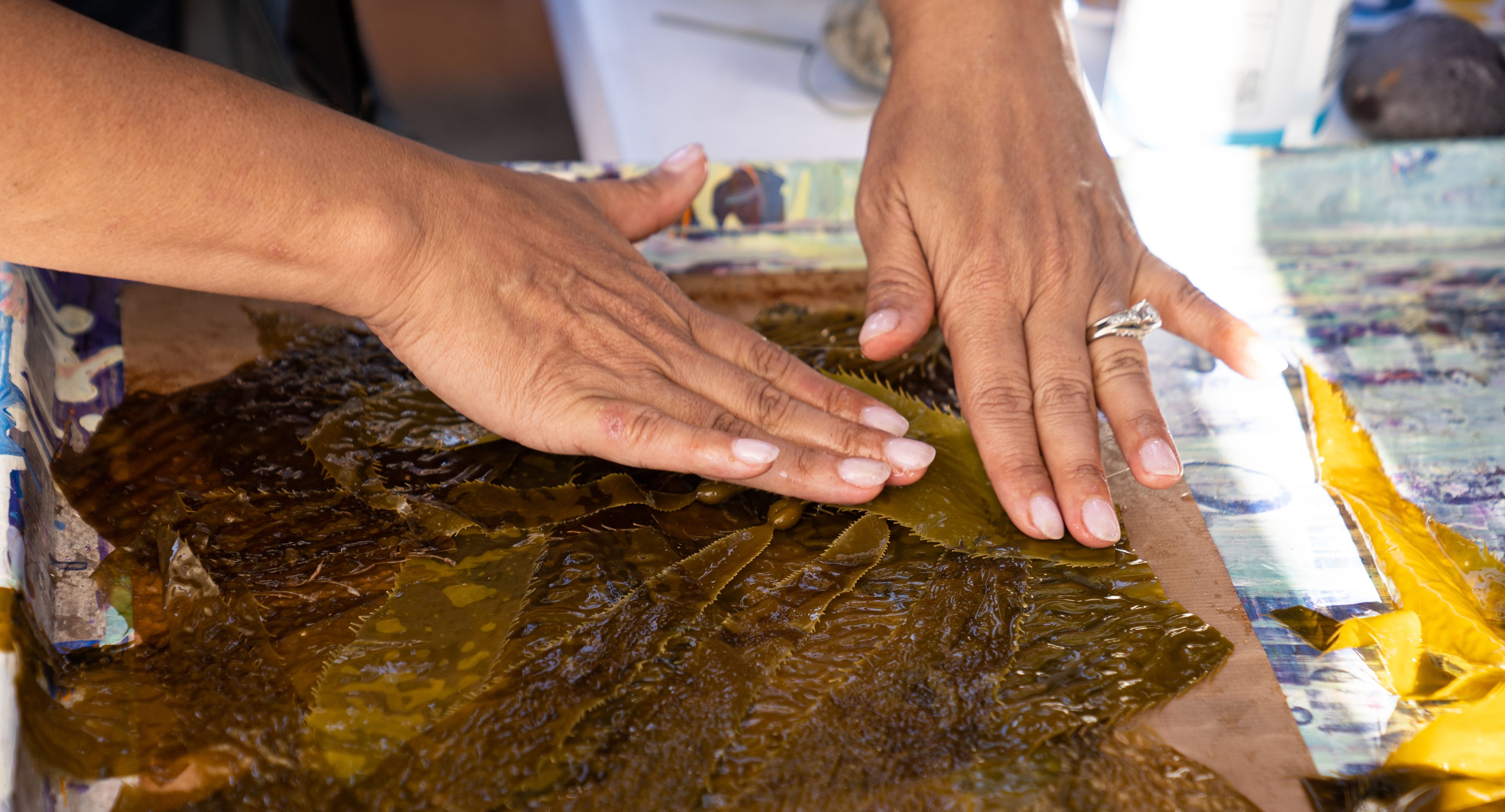
The sculptures begin with the material. Giant kelp, harvested from the coast, is processed in the studio into translucent biomaterial sheets. The process keeps what conventional materials usually erase: the kelp's fibers, mineral traces, color gradients, wrinkles, cellular patterns. What ends up in the final object is recognizably the organism it came from. The resulting biomaterial sits somewhere between paper, leather, textile, and architectural skin — irregular, variable, carrying its own atmosphere in a way industrial surfaces rarely do.
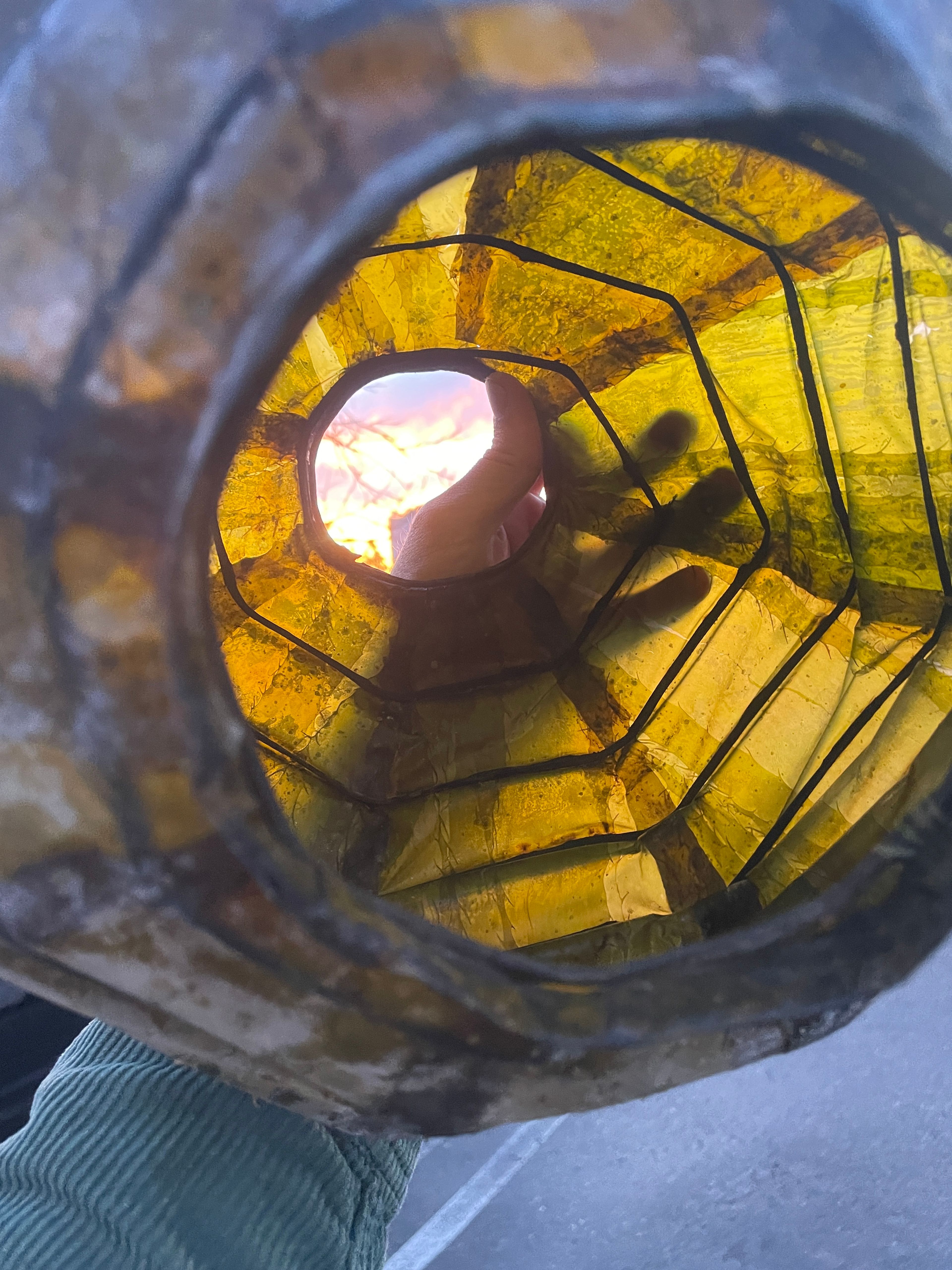
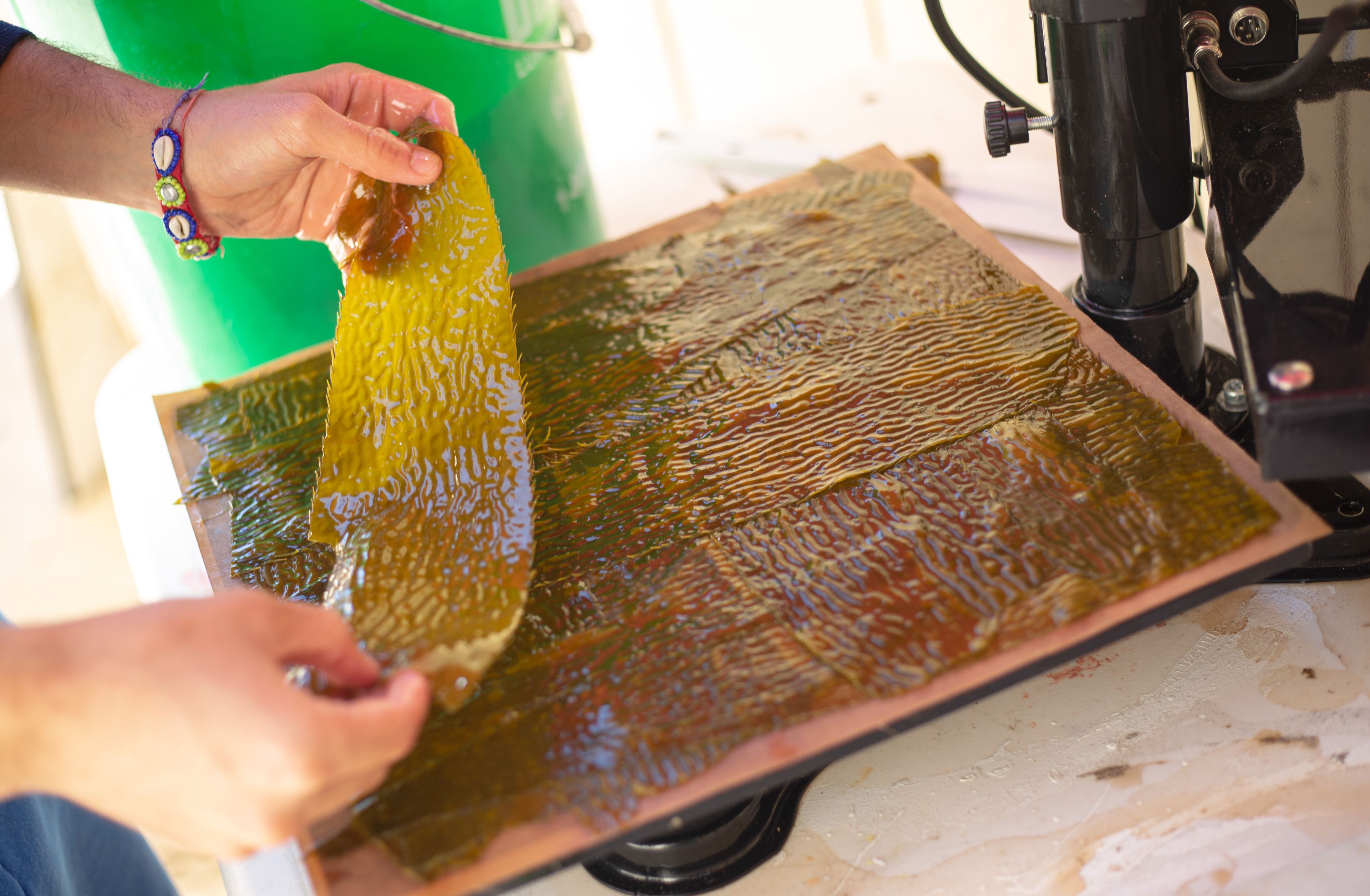
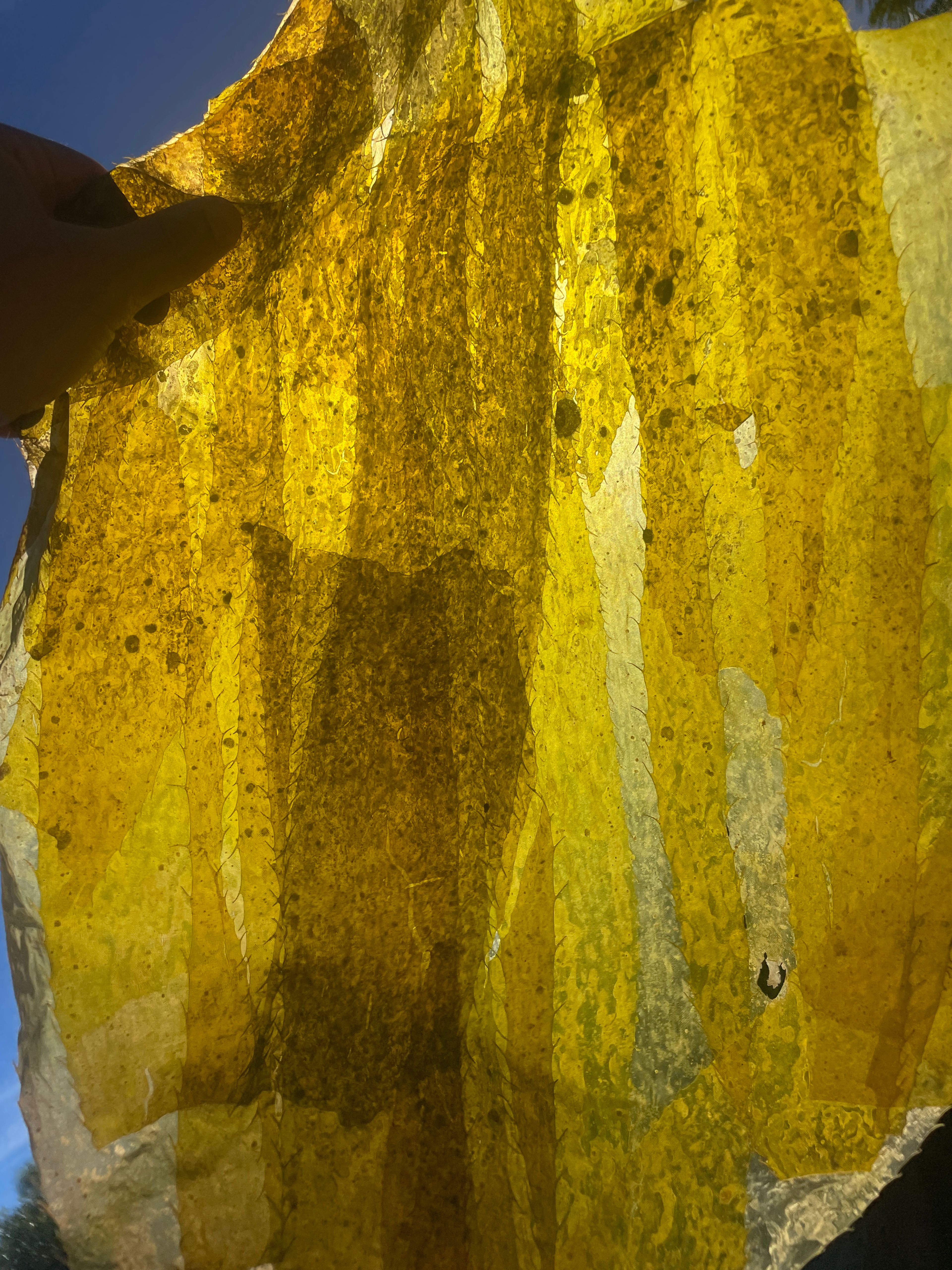
When the sculptures are lit from within, those traces become visible. Light passes through fiber and pigment instead of through factory plastic, and each piece glows differently depending on which part of the kelp it was cut from.
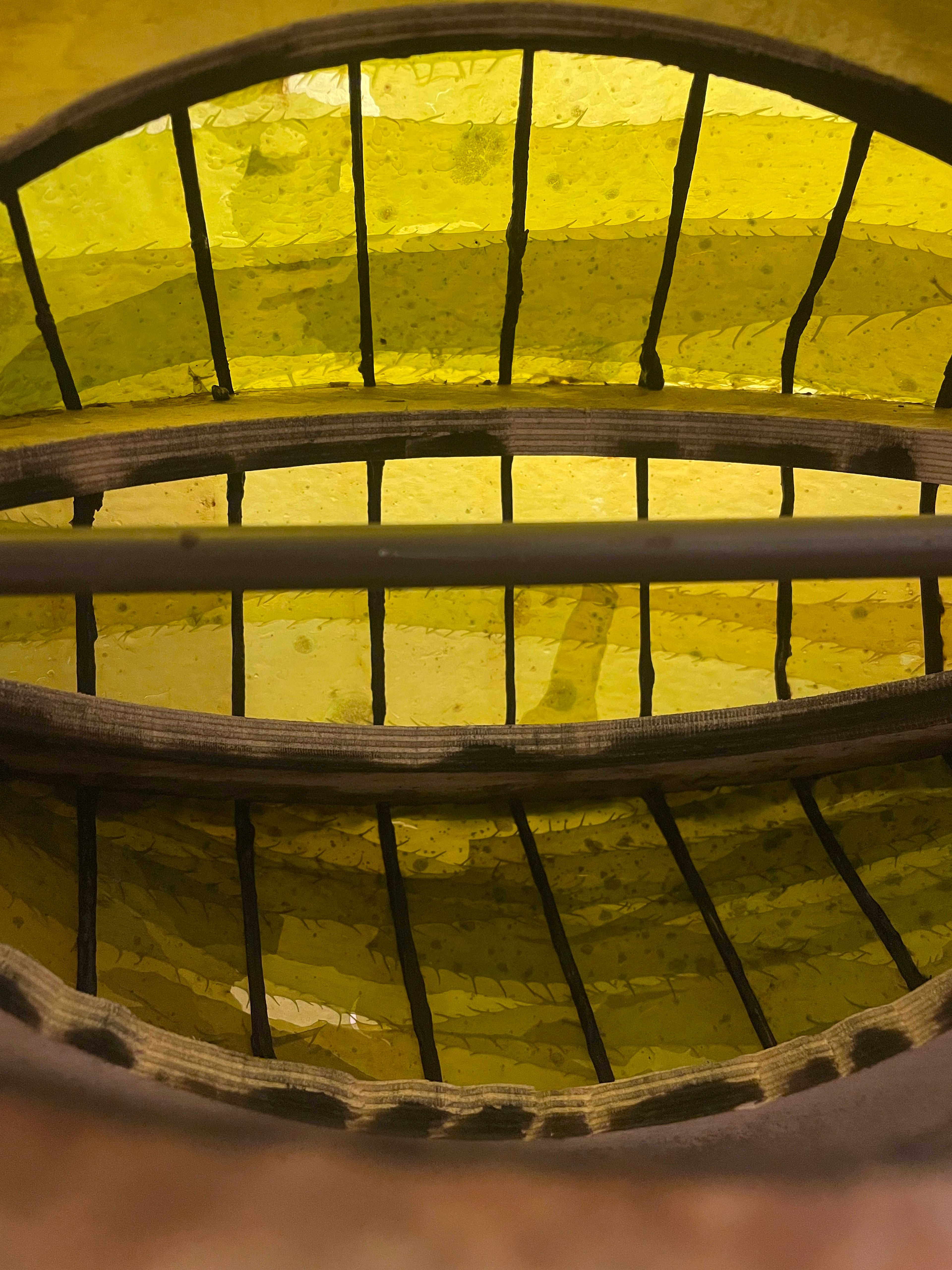
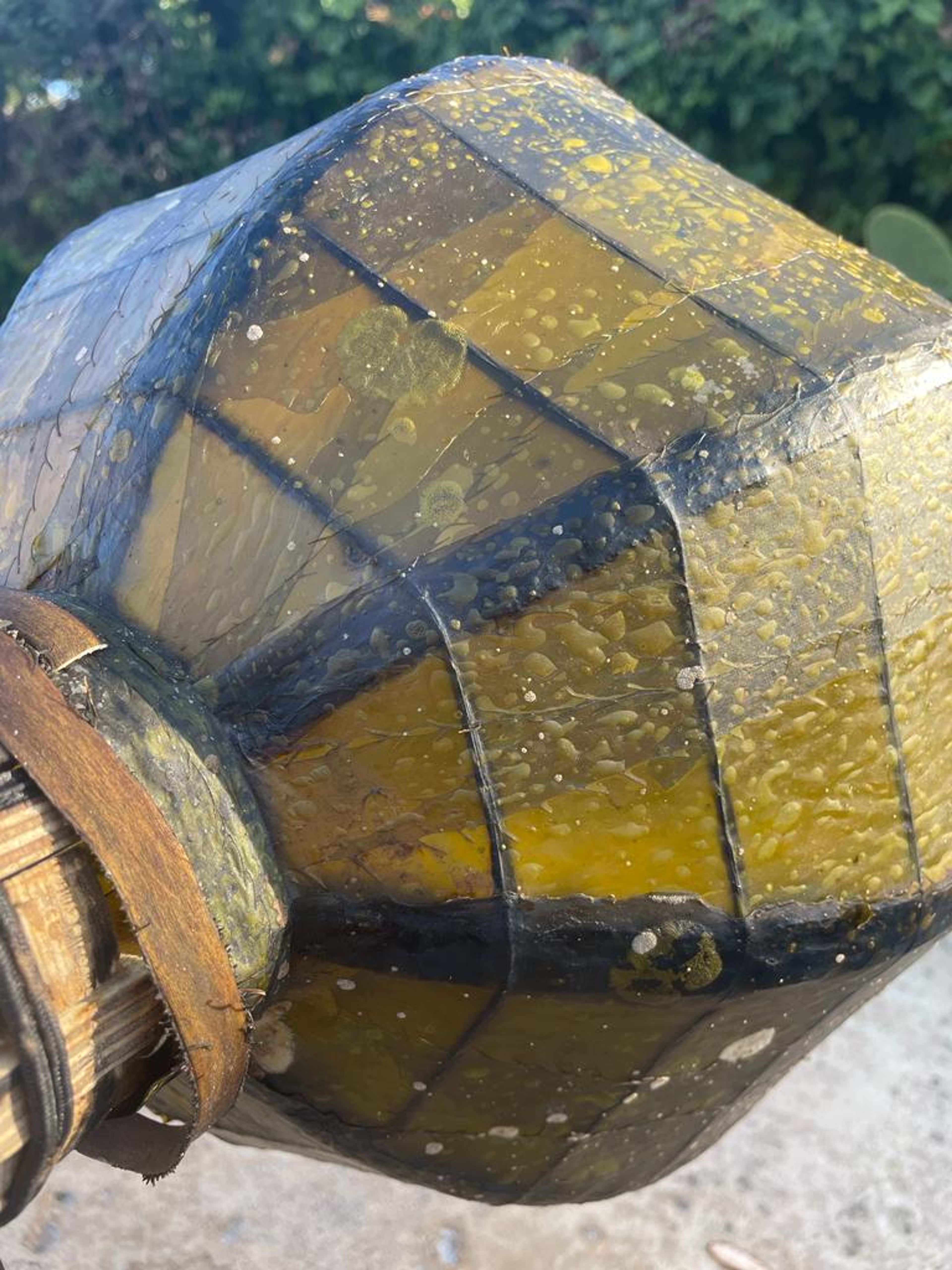
Each sculpture is both a finished object and a material test — a study of thickness, opacity, edge condition, assembly, and how the biomaterial diffuses light. Taken together, the series functions as an archive of what marine biomass can do.
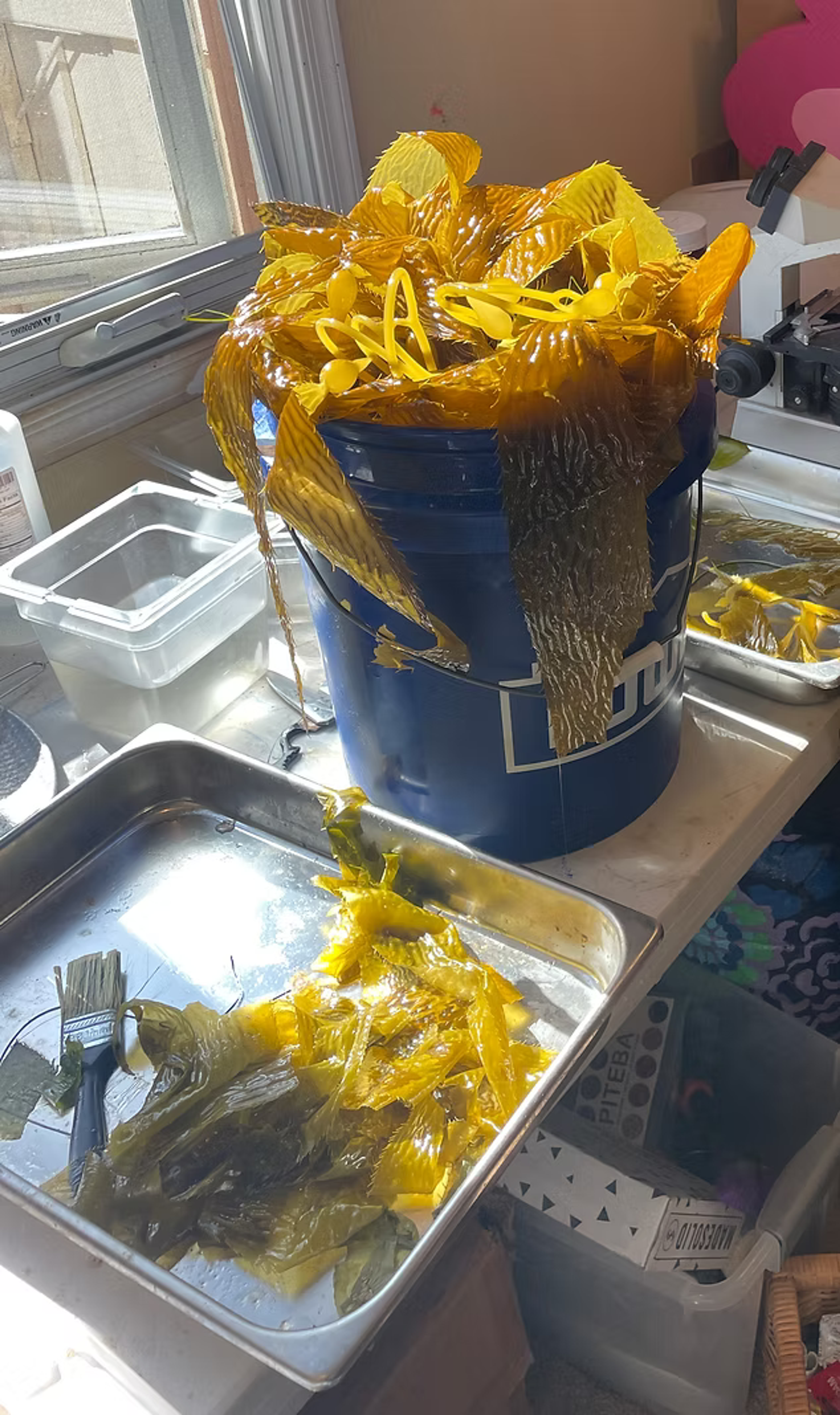
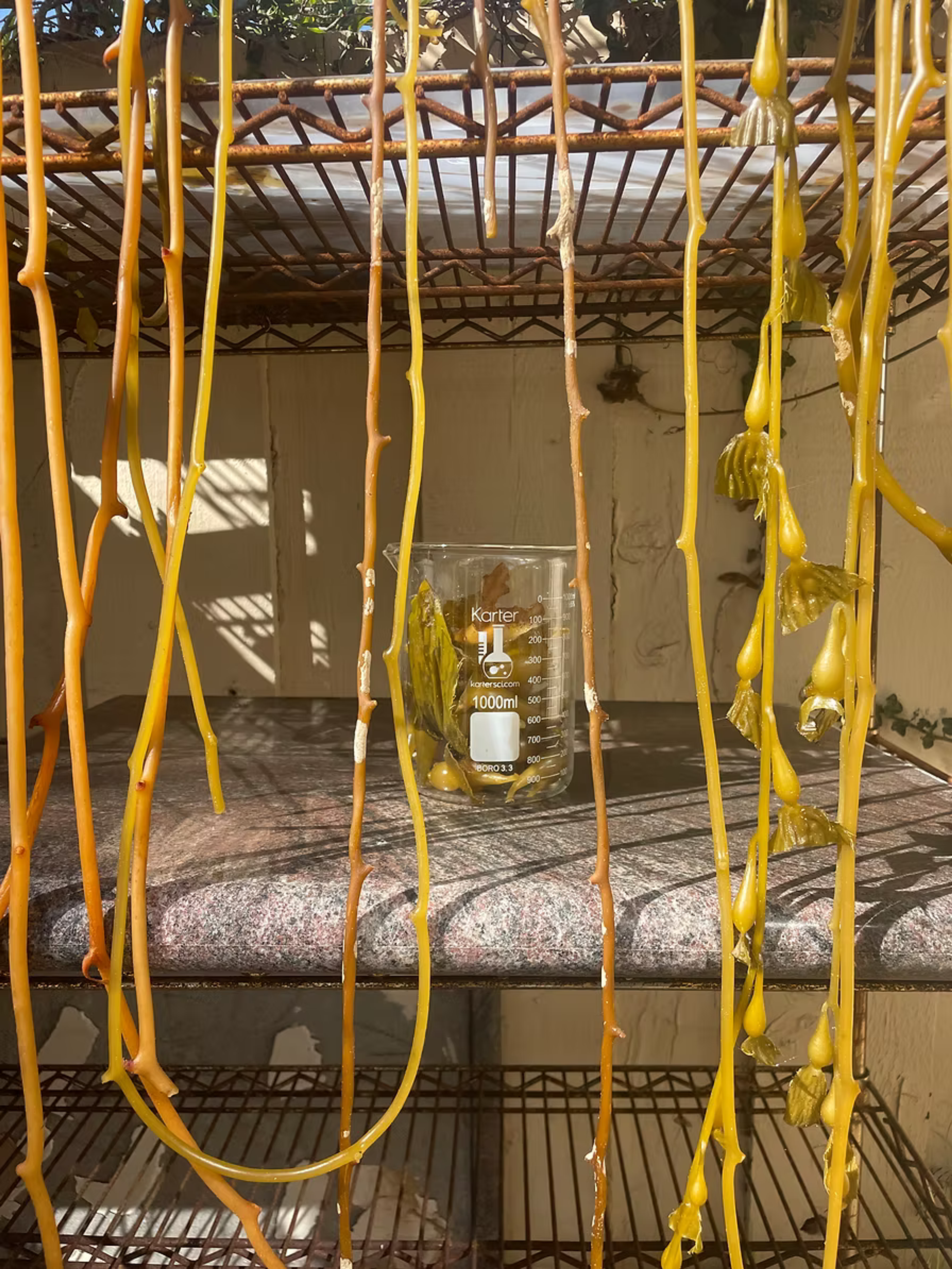
The work has lived in several contexts. The sculptures have been exhibited at the Birch Aquarium at Scripps Institution of Oceanography, where the marine science framing pulled the work into conversation with the ecosystems it comes from. The biomaterial process has been the subject of workshops in venues ranging from ArtCenter College of Design in Pasadena to San Diego City College, San Diego Design Week, and A Reason to Survive in San Diego — building material literacy with students, designers, and young makers who don't usually get access to this kind of research. The studio has also collaborated with Patagonia, bringing the work into the orbit of a company thinking publicly about the same questions.
toward a coastal vernacular
Vernacular architecture is shaped by the materials of a place. Earth, stone, palm, timber, reeds, clay, lime. On a coast, that list should include seaweed. The series is an early proposal for what a design language built from marine biomass might look like — not seaweed dressed up as something else, but seaweed treated as the material it is. A cultural and ecological medium, not just a raw one.
The series is ongoing.