


beernacular
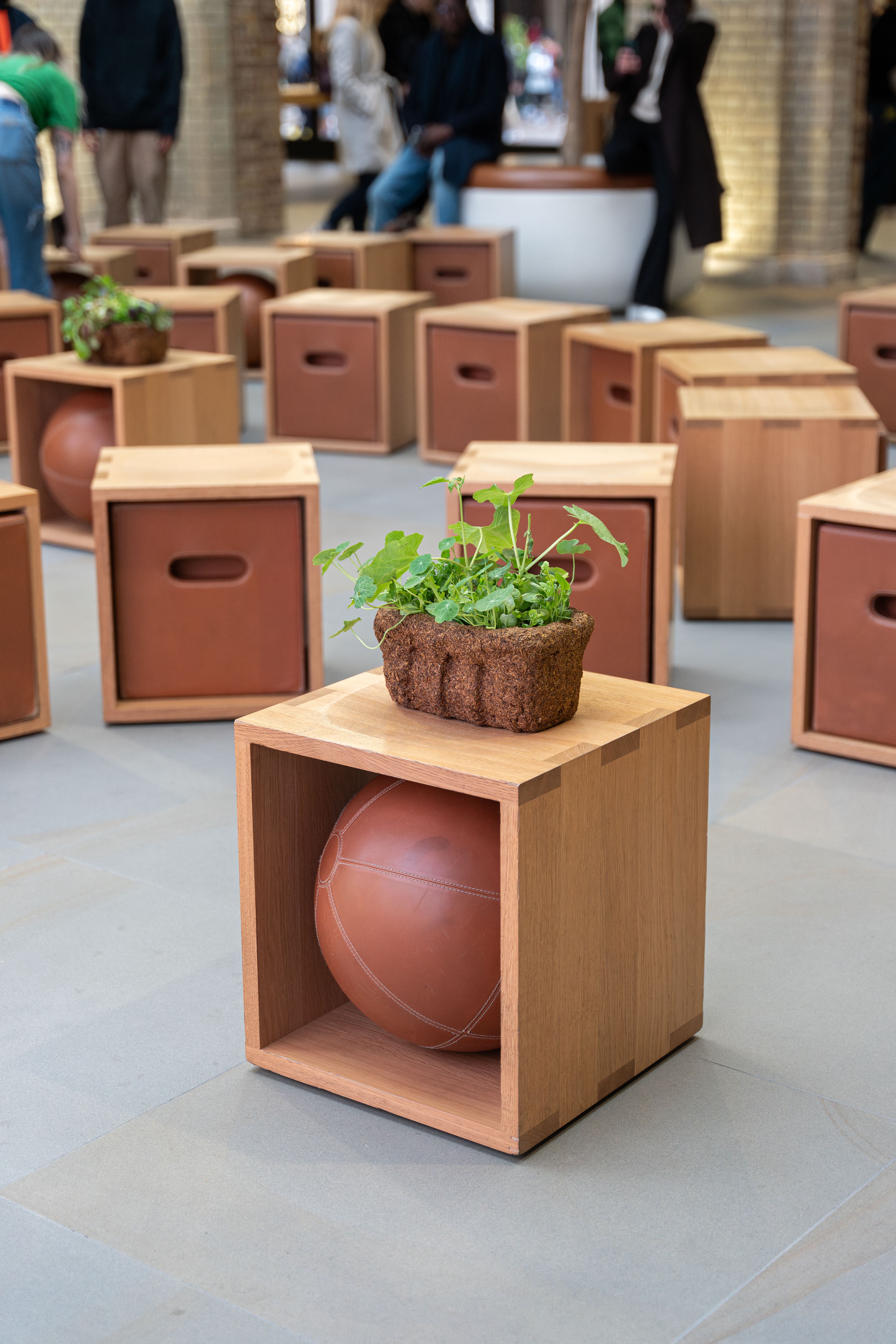
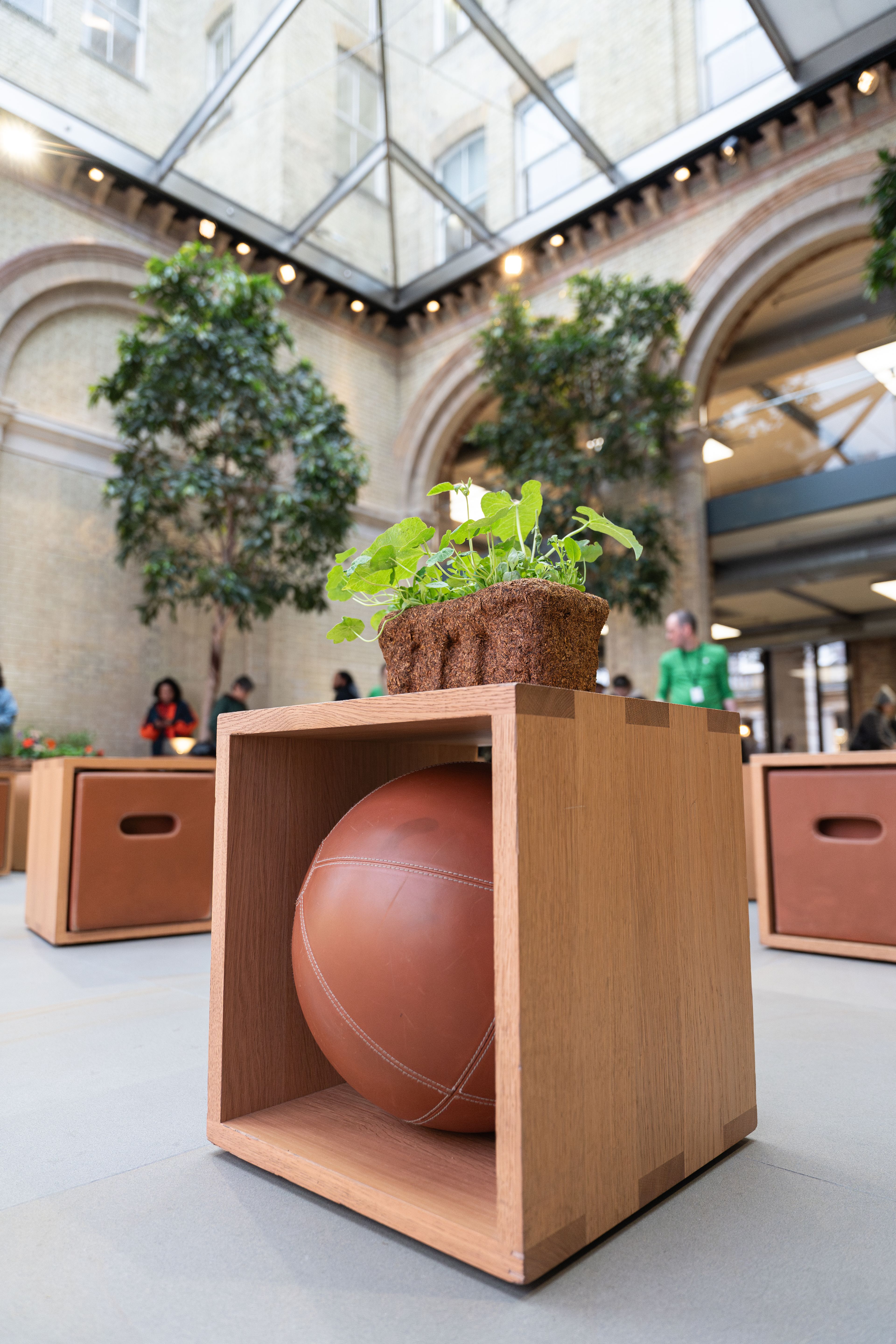
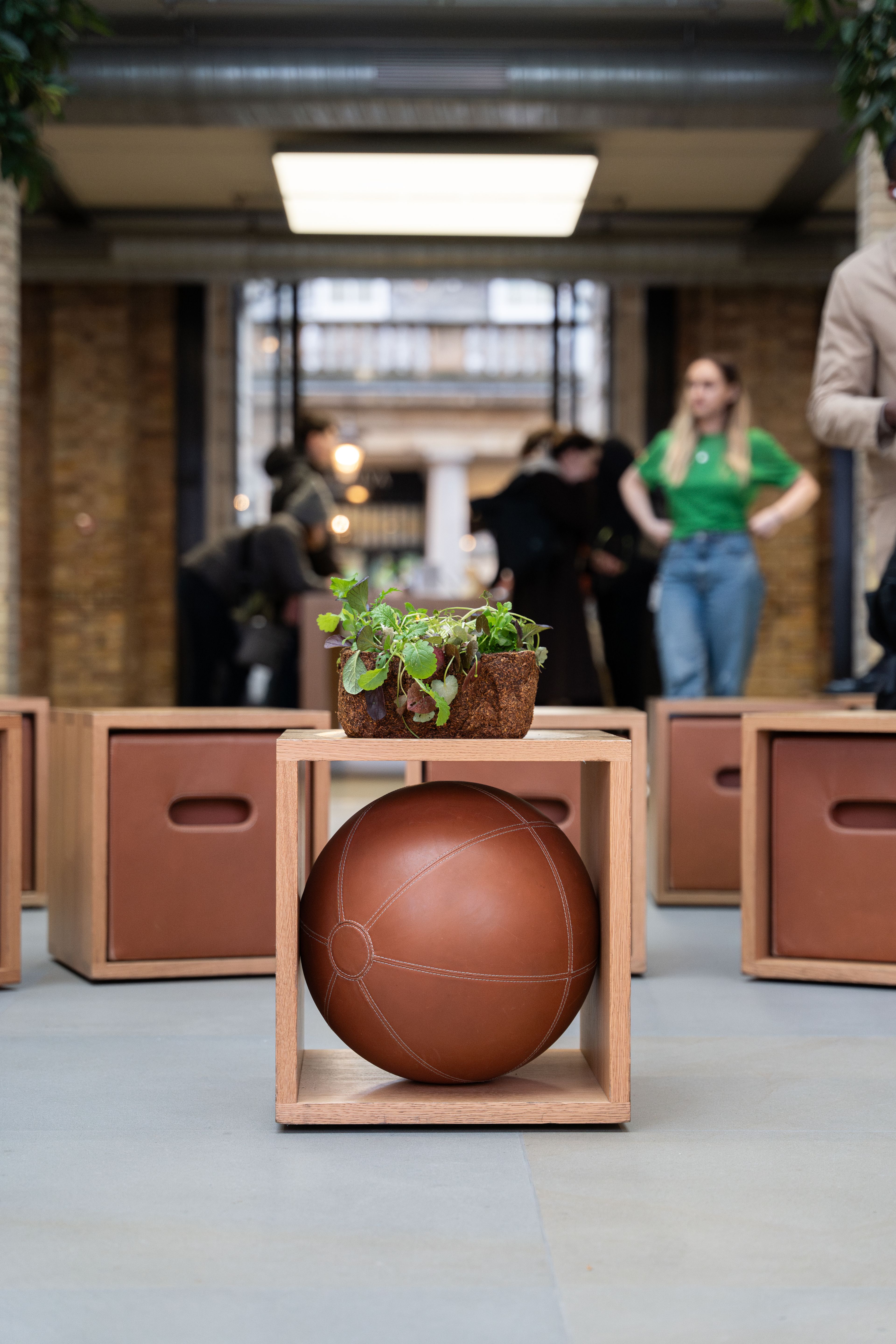
Beernacular is an ongoing material research project that turns spent brewing grain into an architectural-grade biomaterial. Applications include acoustic panels, insulation, interior surfaces, sculptural objects, and temporary architectural systems.
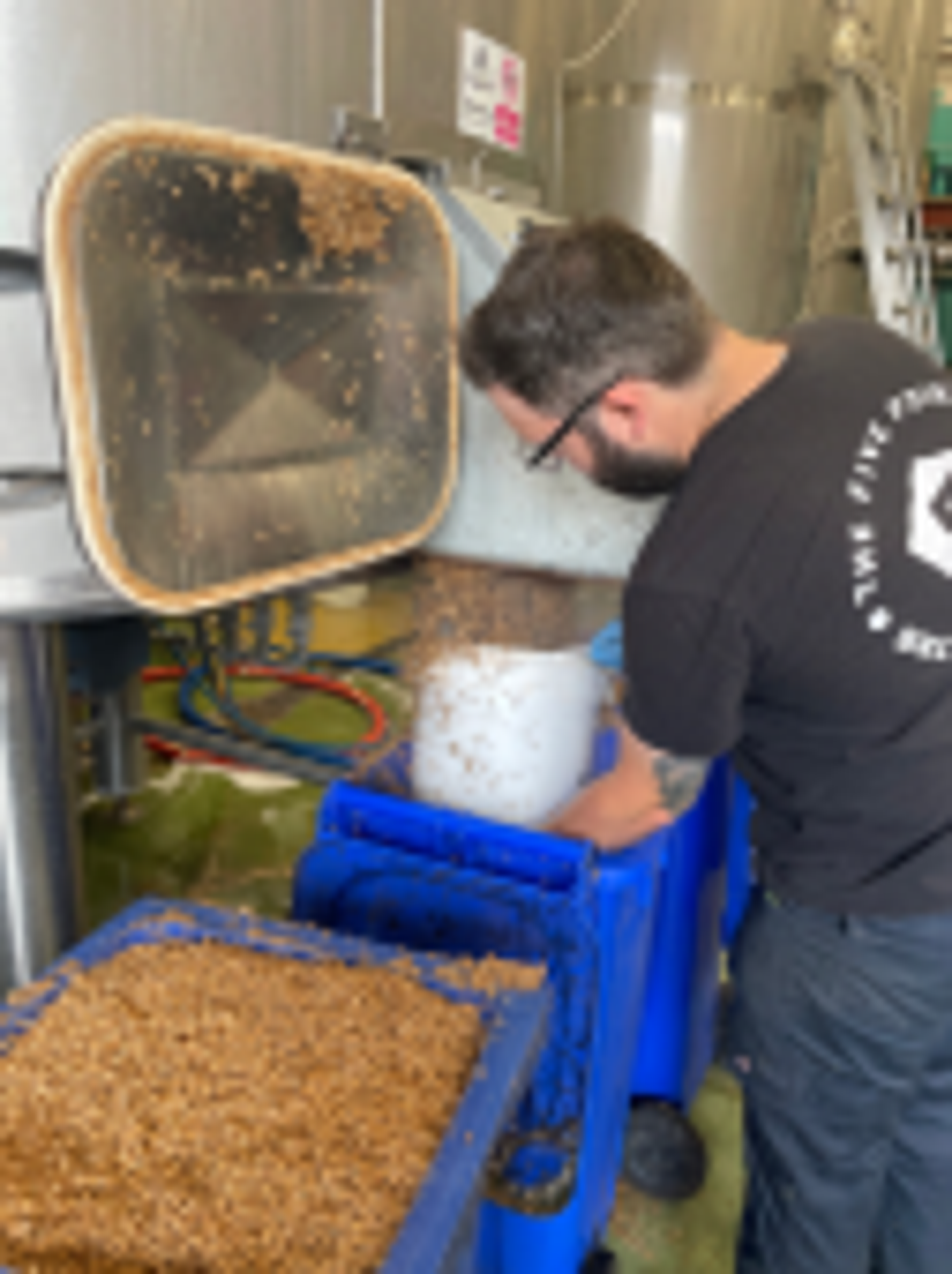
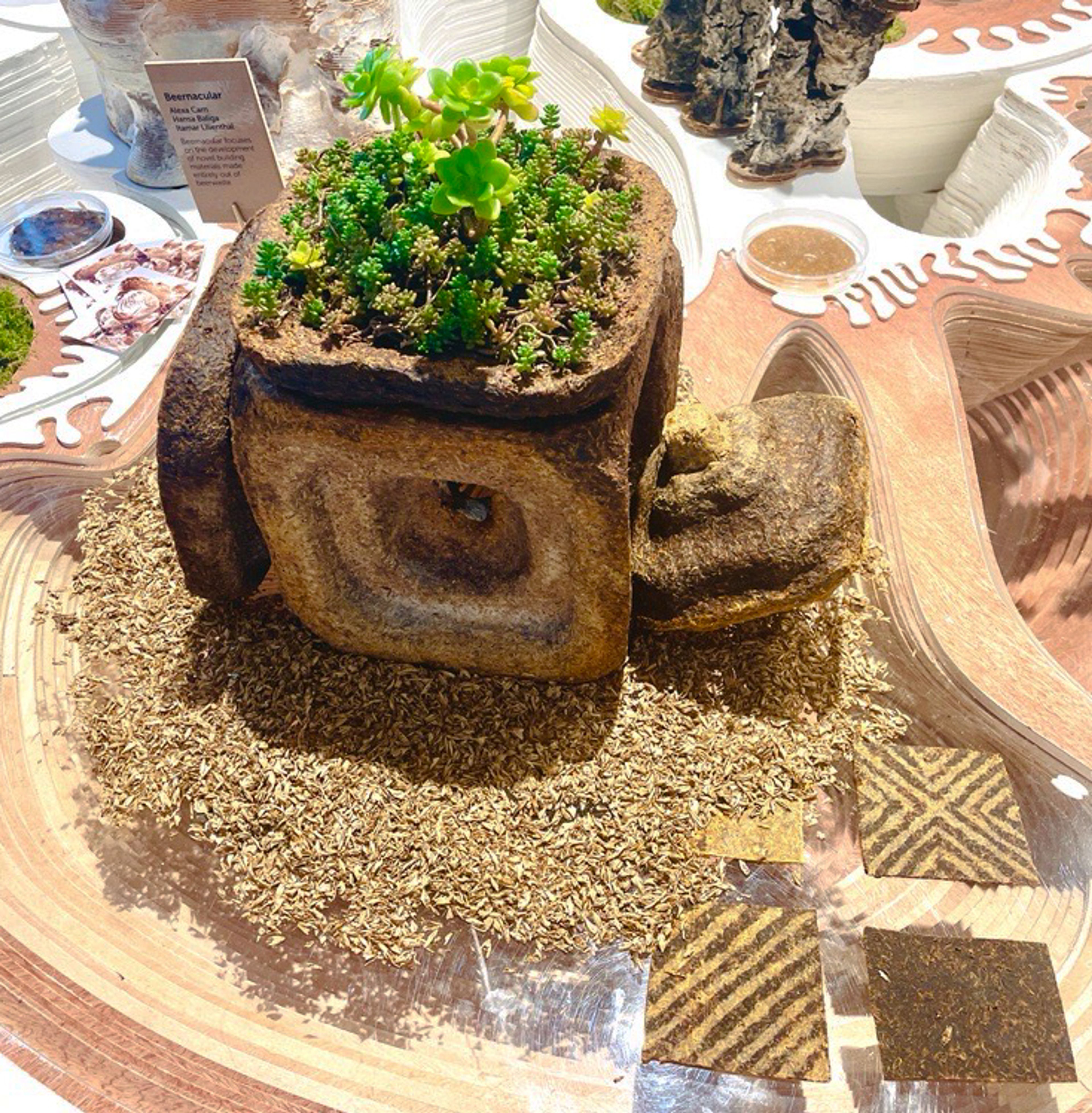
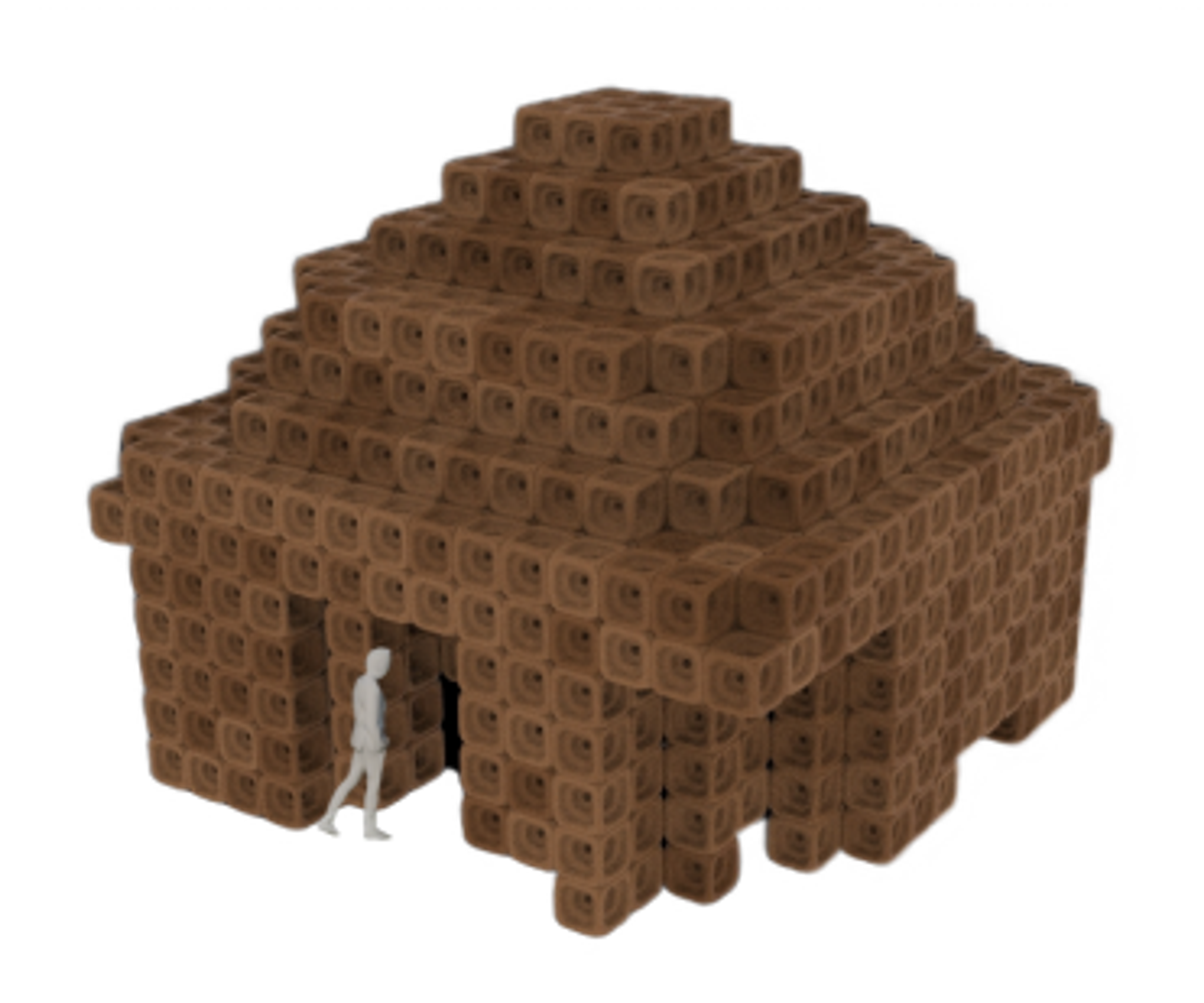
Beernacular starts with one of the brewing industry's most abundant byproducts. Every batch of beer leaves behind spent grain — the soaked, fermented husks of barley and other cereals — most of which goes to compost, livestock feed, or landfill. The studio's research treats it as a building material.
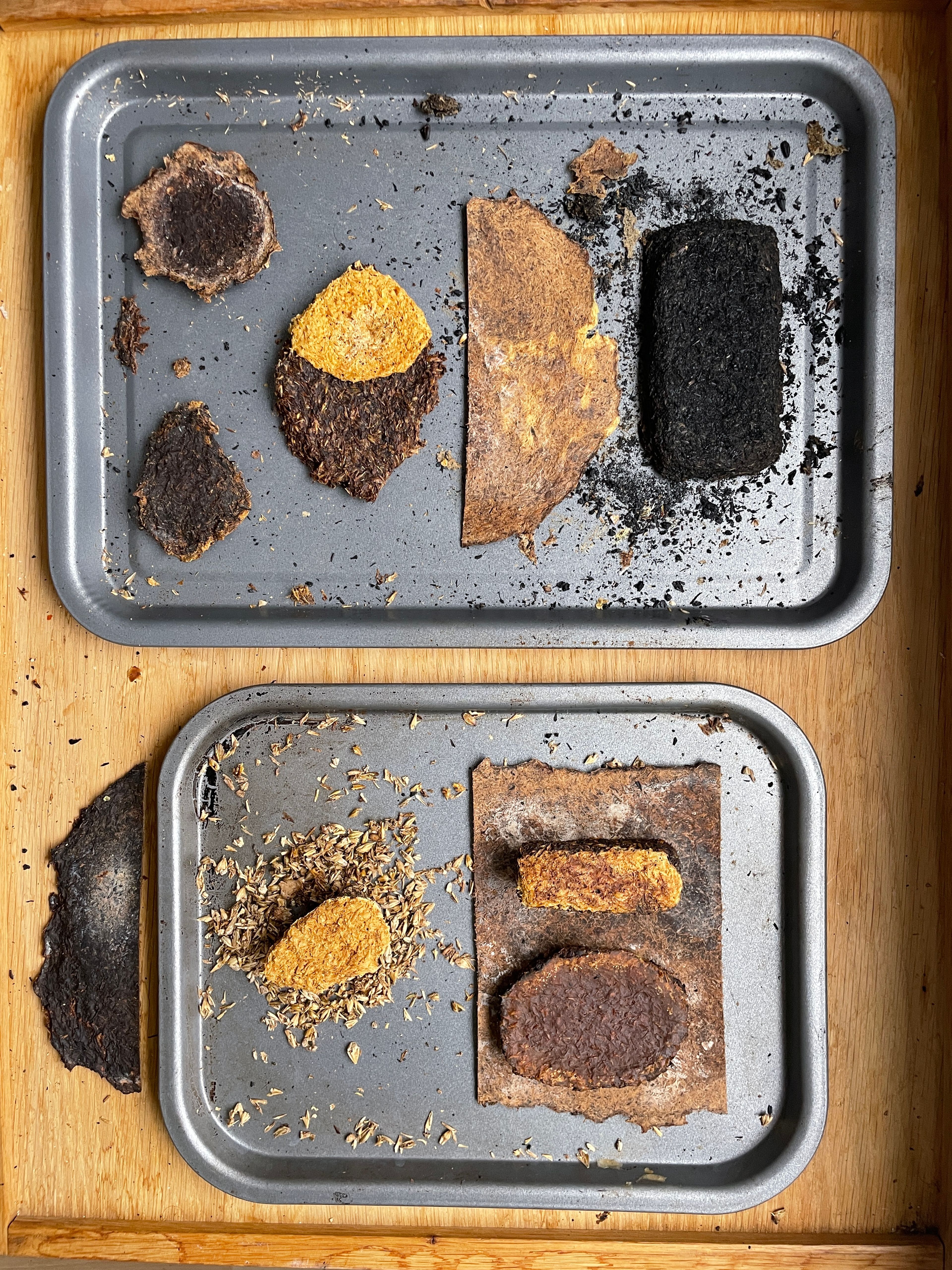
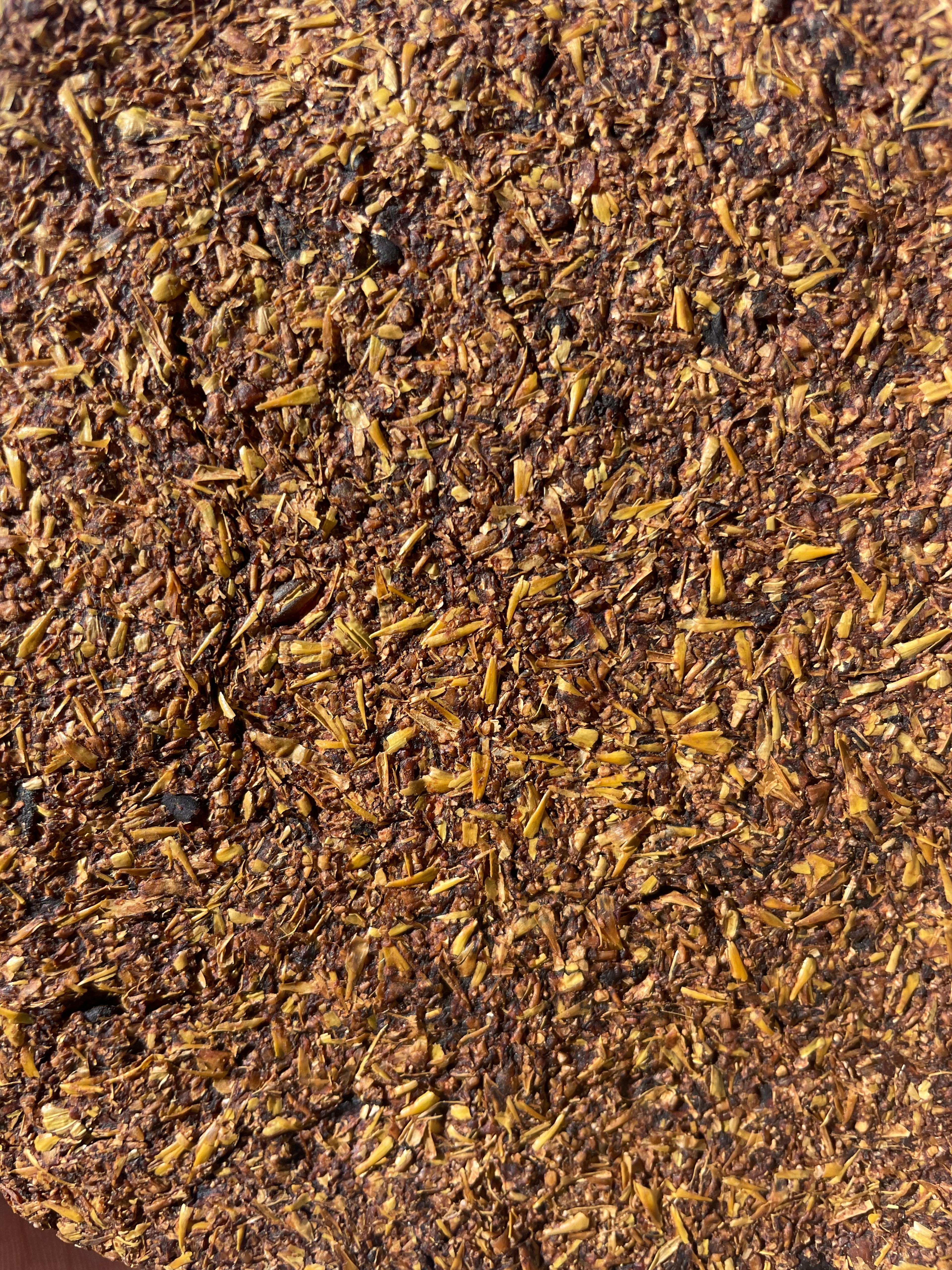
The core innovation is that the spent grains become their own binder. Through pH modification, heat, and mechanical processing, the grains release their inherent adhesive compounds — no resins, no industrial glues, no petrochemistry. The result is a solid, formable material that can be shaped into panels, sculptural objects, interior elements, and temporary architectural systems.


testing and development
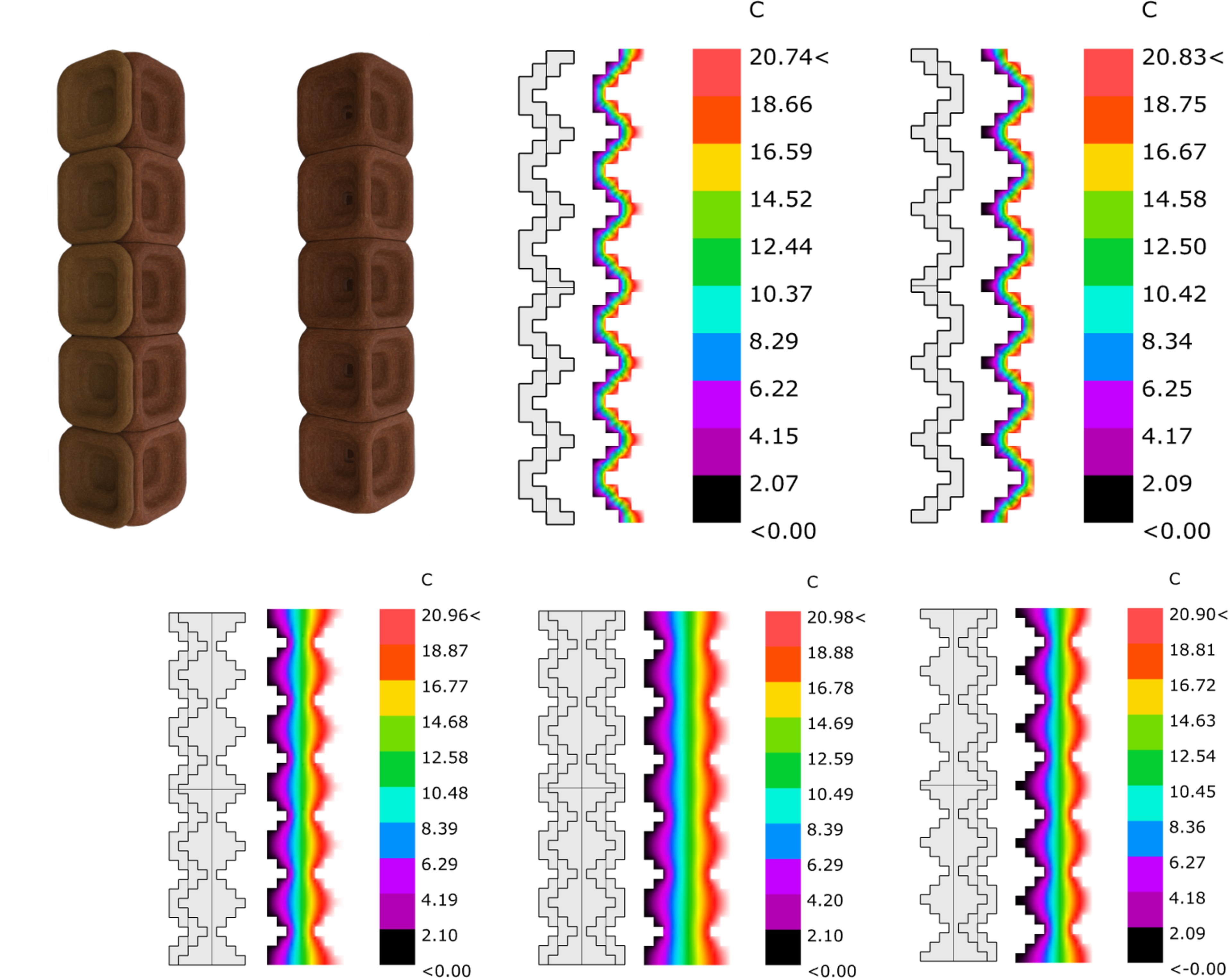
The material is currently undergoing acoustic testing to define performance specifications for use as acoustic panels, insulation, interiors, and temporary structures. Industry partnerships are in development, and the research is exploring integration with mycelium-based biocomposites — expanding Beernacular from a material experiment into a broader platform for low-carbon architectural systems.
a new urban vernacular
The project's larger argument is about place. Vernacular architecture has always been shaped by what a region already produces — earth, stone, palm, timber, reeds. Most cities now produce waste at scale, and most architecture pretends it doesn't. Beernacular proposes that local industrial byproducts can become the raw material of a contemporary urban vernacular — one shaped by breweries, fermentation, and circular production rather than by extraction.
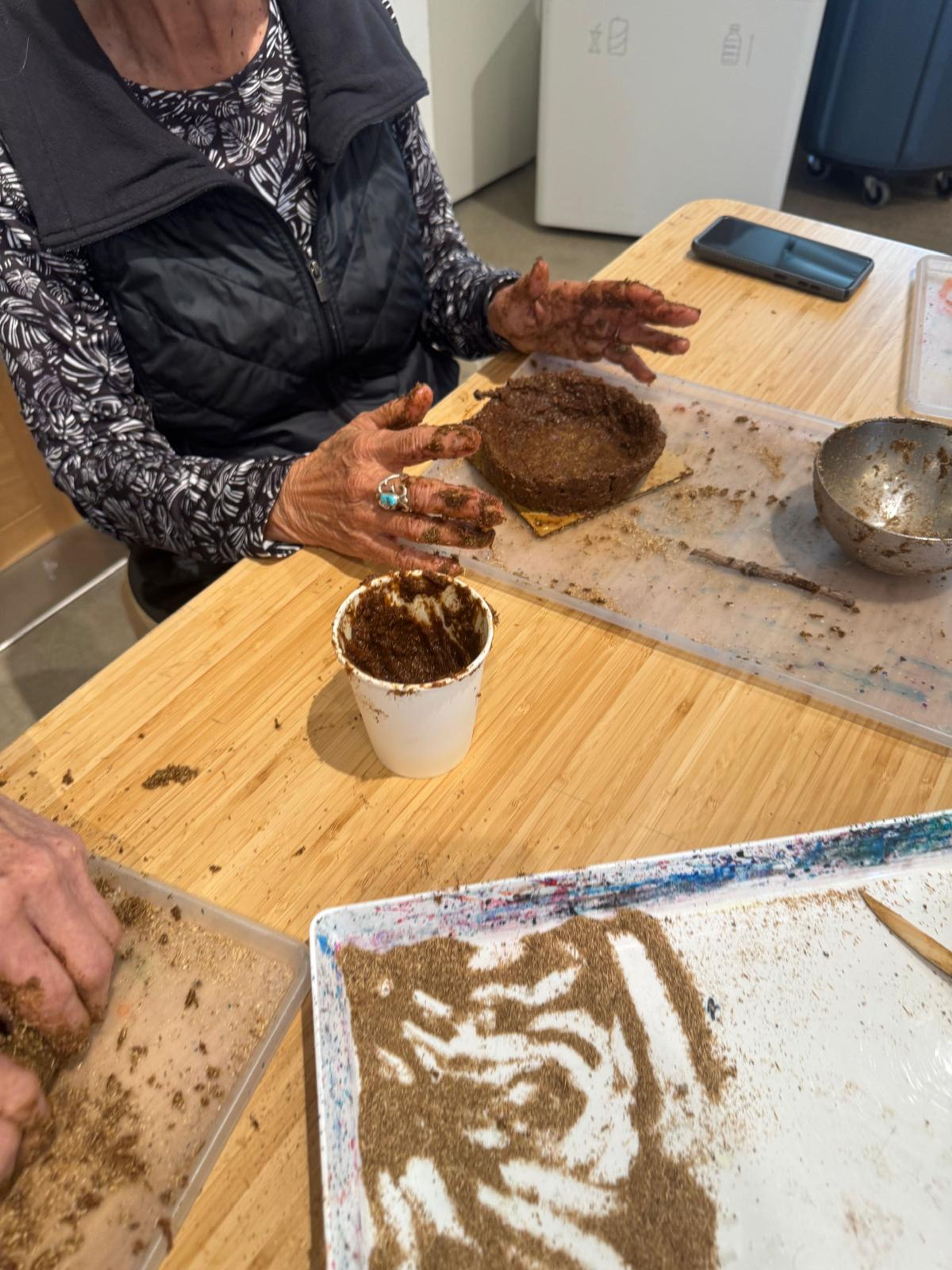
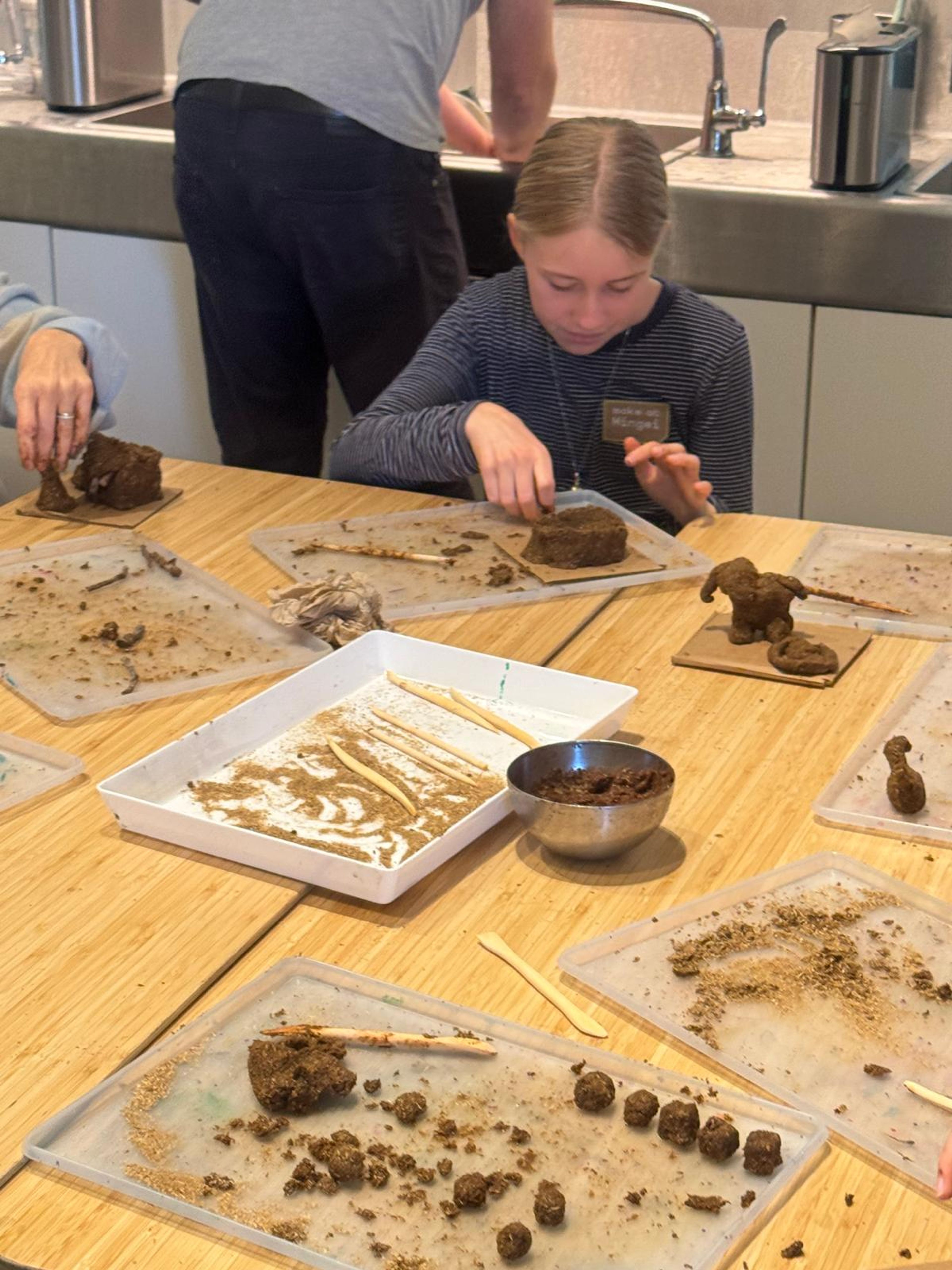
The project sits inside the studio's wider work on transforming waste streams into design and architecture.